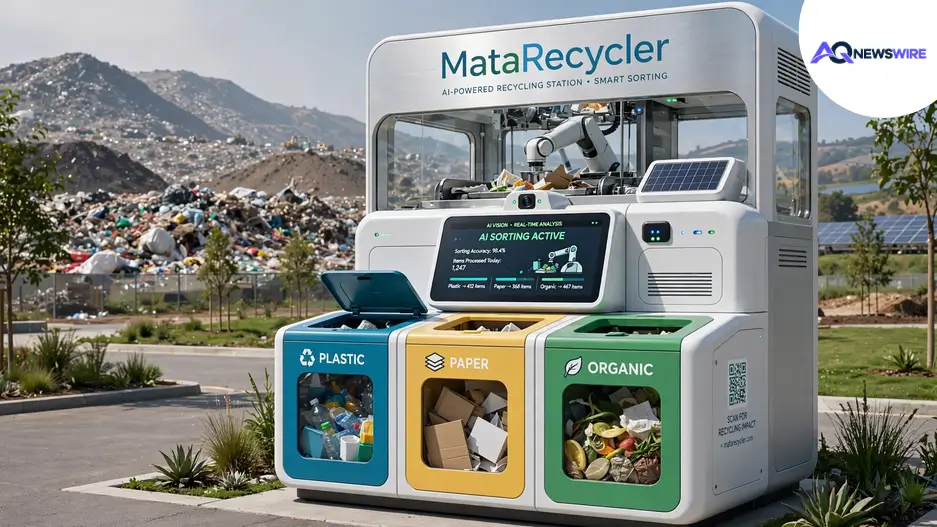
Every single year, mountains of trash completely overwhelm landfills around the globe. If you've ever tried recycling at home, you know how tricky it is—one greasy pizza box or a stray plastic bag tossed into the wrong bin can ruin an entire batch of recyclables. It makes you wonder: how can we finally fix a broken recycling system and handle our waste smarter?
The answer is starting to take shape through digital tools and smart technology. Leading that charge is MataRecycler, a forward-thinking concept and framework that's changing how everyday people, businesses, and entire cities manage their garbage.
Let's take a look at what MataRecycler is all about, how smart sorting works, and why it's changing the future of urban trash.
What Exactly Is MataRecycler?
At its core, MataRecycler sits right where waste management, eco-friendly education, and digital tracking meet. Instead of acting like a standard trash-hauling service, it’s an interconnected ecosystem built to bridge the gap between what we throw away in our kitchens and how industrial recycling plants actually process it.
A Mix of Tech and Tools
The framework generally works on two fronts:
The Digital Guide: An app-based or online resource that teaches people how to sort their trash properly and cuts through confusing local recycling rules.
The Tech Infrastructure: A framework designed to plug into advanced automated systems, like IoT smart bins and AI-powered sorting facilities.
The ultimate goal is simple: keep as much trash out of landfills as possible by making sure materials are recognized, sorted, and actually recycled.
How Smart Recycling Works Behind the Scenes
Traditional recycling relies heavily on human workers standing by fast-moving conveyor belts, manually picking out trash. Smart recycling flips that script with automation.
[Smart Bins] ──> [AI Camera Scanners] ──> [Automated Sorting] ──> [Cloud Data & Reuse]
1. Smart Bins That Know When They're Full
Instead of garbage trucks running fixed routes every week whether the bins are full or empty, smart collection bins use built-in sensors to track their own fill levels in real time. Collection trucks only show up when they're actually needed, which saves fuel and cuts down on city emissions.
2. AI-Powered Sorting
Human error means standard recycling programs often suffer from contamination rates between 17% and 25%. Smart sorting replaces guesswork with high-resolution cameras and computer vision:
Higher Accuracy: While human sorters usually max out around 85% to 90% accuracy, AI systems regularly hit precision rates above 95% to 98%.
Instant Separation: Plastics, paper, glass, and metals are instantly identified and shot down their proper processing streams.
3. Cloud Dashboards for Cities
All the data from smart bins and sorting facilities feeds right into centralized cloud software. City planners and facility managers use these dashboards to track trash trends, spot problem areas, and clean up their recycling strategies.
Why Modern Communities Need Smarter Recycling
Upgrading to data-driven recycling isn't just about looking futuristic—it offers massive, real-world benefits:
Less Contamination: Automated tech catches non-recyclable junk before it ruins a whole truckload of clean materials.
Fewer Landfills: Diverting organic waste and reusable materials away from burial and burning shrinks local carbon footprints and protects the environment.
Lower Operating Costs: Cities save serious money on fuel, labor, and landfill fees when their logistics are streamlined.
Fueling the Circular Economy: High-quality recovered materials go straight back into manufacturing, reducing our need to rip virgin resources out of the earth.
Where Is This Being Used?
Smart recycling frameworks are flexible enough to scale across different environments:
Neighborhoods & Smart Cities: Everyday households use app guides to make sure their recyclables actually belong in the green bin, building better habits over time.
Commercial Buildings & Factories: Businesses use automated waste tracking to handle large commercial volumes, hit zero-waste goals, and stay compliant with environmental laws.
The Real-World Hurdles
As cool as it sounds, making the jump to fully automated smart recycling isn't without its challenges:
High Setup Costs: Buying and installing IoT sensors, smart containers, and AI sorting tech requires a hefty initial investment.
Getting People to Care: Technology can't fix bad habits on its own. Communities still have to actively engage with education tools to make sure people sort their trash correctly from the start.
Wrapping It Up
MataRecycler represents a massive shift in how we think about garbage—treating old packaging and discarded materials not as "trash," but as resources waiting for a second life. By combining smart automation, real-time tracking, and better everyday habits, cities can finally drive down landfill waste and build cleaner communities.
Frequently Asked Questions (FAQ)
What is MataRecycler?
It's a smart recycling and waste management framework that uses artificial intelligence, IoT sensors, and digital tracking tools to streamline how we sort and process trash.
How does AI make recycling better?
AI uses computer vision to instantly spot material types like plastics and glass with over 95% accuracy, wiping out most human sorting errors.
What are IoT smart bins?
They're trash bins equipped with built-in sensors that track how full they are and alert collection crews only when a pickup is actually necessary.
Can everyday people use this?
Yes. Individuals can use app guides and tracking tools to learn proper disposal habits and check their personal recycling impact.
How does smart recycling help the environment?
By streamlining truck routes and keeping massive amounts of waste out of landfills, it drastically cuts down transport fuel use and greenhouse gases.
What actually causes recycling contamination?
Contamination happens when people throw non-recyclable items (like greasy takeout boxes or food waste) into the recycling bin, which can ruin entire loads.
Is MataRecycler an app or a piece of hardware?
It functions as an integrated ecosystem combining software dashboards, mobile guides, and compatibility with smart hardware.
How does this support the circular economy?
By pulling clean, high-quality materials out of the waste stream and sending them back to factories, it reduces our reliance on brand-new raw materials.
What are the biggest roadblocks to adopting this?
The high upfront cost of buying sensors and AI machinery, along with the challenge of getting the public to change their habits.
How can a city get started?
Cities usually start by giving residents digital sorting guides, upgrading public bins with smart sensors, and partnering with automated recycling centers.