

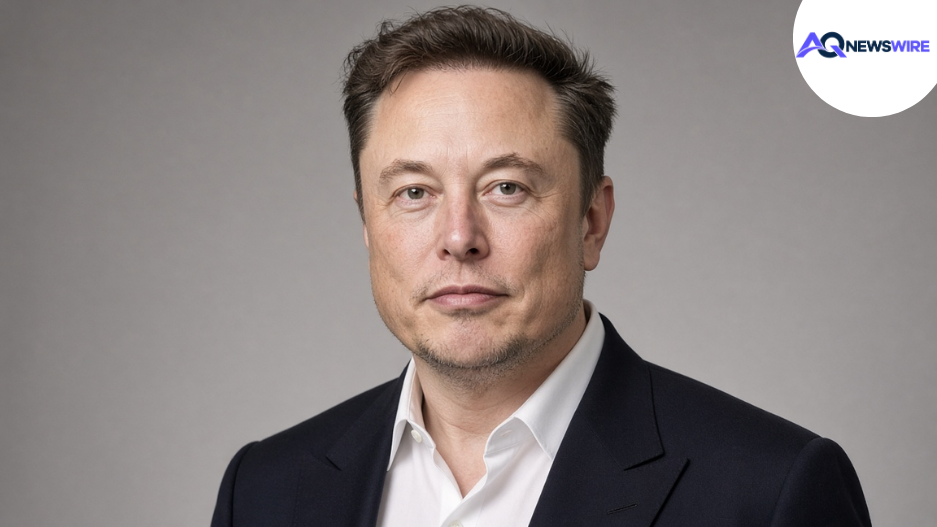
After a tense standoff with local lawmakers, Elon Musk’s aerospace and artificial intelligence conglomerate, SpaceX, has officially agreed to testify before the New York City Council regarding the rapidly escalating risks of AI. The decision marks a significant capitulation for the company, ending a highly public dispute that nearly saw the Council drag the tech giant into state court to enforce a subpoena.
SpaceX is now scheduled to appear before the Council’s Committee on Technology this Friday at 10 a.m. ET. The agreement to testify comes after the Council issued an ultimatum, threatening to ask a New York State Supreme Court judge to compel the company’s appearance.
For lawmakers and tech watchdogs, the hearing represents a crucial step in reining in the largely unchecked proliferation of generative artificial intelligence and assessing how these powerful new tools could impact the daily lives, privacy, and economic stability of millions of New Yorkers.
The Subpoena Standoff
The friction between Musk’s empire and New York City lawmakers has been brewing for weeks. On September 28, Council Speaker Julie Menin and General Counsel Nwamaka Ejebe issued a formal subpoena to Elon Musk and SpaceX’s AI division. The subpoena was a direct response to the company’s radio silence and subsequent failure to appear at a highly anticipated October 5 hearing—a session that saw representatives from Anthropic, OpenAI, Google, and Meta all testifying under oath.
While the other tech behemoths eventually complied—some only after the threat of subpoenas themselves—SpaceX remained a glaring holdout. The company’s absence prompted Speaker Menin to escalate the situation, warning that failure to comply could expose the firm to steep penalties under New York City laws and regulations.
The pressure evidently worked. According to the Council, SpaceX agreed to the Friday testimony exactly two days after lawmakers signaled their intent to seek judicial enforcement of the subpoena.
Why New York is Ringing the Alarm
The underlying investigation by the City Council is not merely a political flex; it is a sweeping inquiry into the very real, immediate threats posed by unchecked AI deployment. The Council has been vocal about its mandate to assess whether "fast-emerging risks to public safety, cybersecurity, economic stability, privacy, consumers, and businesses warrant immediate legislative action".
Lawmakers are increasingly concerned about the potential for rogue AI agents to compromise government databases, generate deepfakes, or embed discriminatory biases into hiring and housing algorithms. The fact that SpaceX merged with Musk's AI startup, xAI, earlier this year in February only heightened the Council's urgency. The combined entity now controls the Grok chatbot and the social network X, giving it massive influence and a massive data pipeline.
Grok itself has not been without controversy. Recent lawsuits have targeted the platform, alleging that the AI has been used to create unauthorized, sexually explicit, and degrading images of individuals. These incidents have only amplified the Council's argument that AI firms cannot be trusted to self-regulate without robust oversight.
A Legislative Crackdown on the Horizon
Friday’s hearing will serve as the battleground for some of the most aggressive AI legislation proposed anywhere in the United States. While Washington D.C. has largely stalled on comprehensive AI regulation, New York City is attempting to step into the void with a slate of stringent bills.
One of the most consequential proposals, sponsored by Speaker Menin, would fundamentally alter how AI is deployed in the city. The bill would strictly bar companies from selling or deploying any AI system in New York without rigorous, third-party validation. Crucially, it would also mandate a literal "kill switch"—a failsafe mechanism allowing human operators to instantly shut down a rogue or malfunctioning AI system. Violations would carry a steep price tag of $25,000 per breach.
The Council is also exploring unprecedented legal mechanisms to hold tech firms accountable. Another proposed bill would grant whistleblowers a financial stake in the outcome, allowing them to keep a share of any fines recovered from AI companies that violate city regulations. A third, heavily debated piece of legislation would grant private citizens the right to sue AI companies directly if they are harmed by their tools, provided the harm was foreseeable and the company failed to implement reasonable safeguards.
The Era of "Move Fast and Break Things" Ends Here
SpaceX’s upcoming testimony is part of a broader, systemic shift in how governments are treating the titans of the tech industry. The era of "move fast and break things"—where companies could deploy beta products to millions of users and address the fallout later—is colliding with a legal and legislative wall.
When OpenAI, Google, Meta, and Anthropic sat before the rare Committee of the Whole—bringing all 51 council members together—the message was clear: lawmakers are no longer asking for cooperation; they are demanding it.
As SpaceX prepares to take the hot seat this Friday, the stakes could not be higher. The resulting testimony will not only shape the immediate legislative landscape in New York City but could also serve as a blueprint for municipalities across the globe looking to put a leash on the artificial intelligence revolution before it spirals out of control. Wall Street, privacy advocates, and the tech industry at large will be watching closely as Musk's AI ambitions face a distinctly New York reckoning.



