

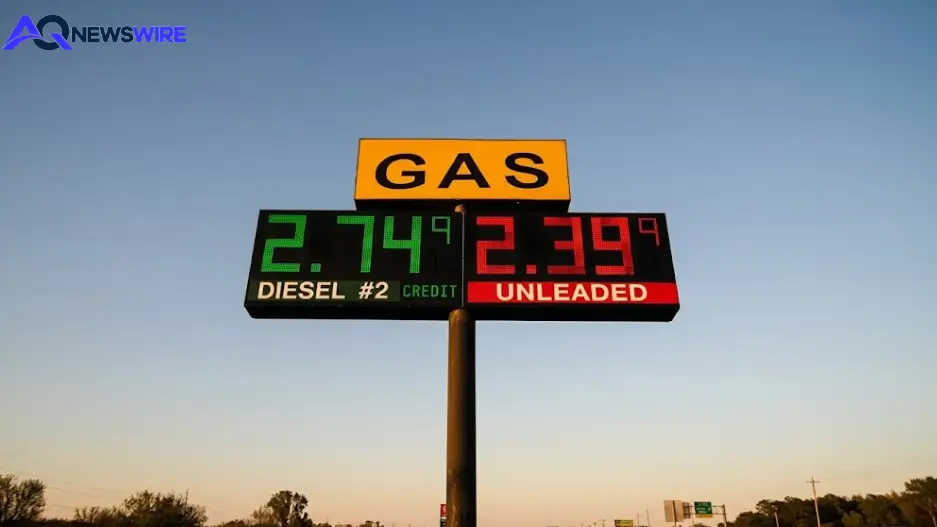
When gas prices spike, politicians in Washington will try almost anything to make the numbers on the pump look less terrifying.
Earlier this year, the White House reached for a favorite emergency lever: punching a temporary hole in the century-old Jones Act. The idea was simple. Let cheaper, foreign-flagged tankers carry American-refined gasoline, diesel, and crude between domestic ports, bypassing expensive US ships to rush fuel straight from Gulf Coast refineries up to thirsty markets in the Northeast and West Coast.
For a moment, it looked like a clean win. Refiners chartered foreign ships, fuel moved faster, and supply crunches in coastal states eased up.
Now, that relief valve is quietly slamming shut.
In recent weeks, waterborne shipments of American-made fuel between domestic ports have dropped off a cliff. Cargoes headed to parts of the country that desperately need them have plummeted by hundreds of thousands of barrels a day. The culprit isn’t bad weather or a refinery fire—it’s the White House itself, which quietly pared back the very waiver it had spent months celebrating.
The result is a classic Washington mess: an administration caught between trying to spare voters pain at the pump and getting battered by domestic maritime unions and shipyard owners.
The Century-Old Law Nobody Understands Until Prices Surge
To understand why a few shipping waivers matter so much, you have to look at the Merchant Marine Act of 1920—better known as the Jones Act.
The law was passed after World War I to protect the nation's merchant fleet. It says that any cargo moving by water between two US ports must travel on ships that are built in America, fly the American flag, and are crewed by US citizens.
On paper, keeping an American merchant fleet afloat for national defense sounds like a no-brainer. But in the energy business, it creates bizarre, expensive headaches.
Building an oil tanker in a US shipyard costs three to four times what it costs in South Korea or Japan, and running it with American crews is far more expensive than using international vessels. Because of that cost gap, it often costs an oil company significantly more to ship a barrel of gasoline from Houston to Boston than to send that exact same barrel halfway across the world to Rotterdam or Buenos Aires.
When regional supplies get tight—like during seasonal refinery switchovers or sudden pipeline hiccups—there simply aren't enough US-flagged tankers available to move the necessary volume. That’s why emergency waivers look so tempting to presidents: sign a piece of paper, let foreign tankers step in, and watch shipping bottlenecks vanish overnight.
Why the Spigot Got Turned Down
So why walk back a policy that was actually moving fuel?
The short answer: politics.
Almost the minute foreign-crewed vessels started loading up Gulf Coast fuel, domestic maritime associations and shipyard operators went ballistic. Groups like the American Maritime Partnership launched a furious lobbying blitz on Capitol Hill, arguing that handing cargo routes to foreign competitors was undercutting American mariners, killing union jobs, and setting a dangerous national security precedent.
Worse for the administration, shipowners complained that oil companies were using the waiver as leverage—refusing to pay fair rates for American tankers because they knew they could just hire cheaper foreign alternatives.
Feeling the heat, the administration blinked.
Officials didn't scrap the waiver entirely, but they layered on so much red tape, new compliance hoops, and restrictive requirements that the relief became a logistical minefield. Oil traders and refiners took one look at the revised rules and decided the risk of getting hit with massive fines or having a cargo impounded at the dock wasn't worth the hassle.
Shipments slowed to a crawl almost immediately
A High-Wire Act Ahead of Midterms
The timing couldn't be worse for anyone running for office.
With midterm elections right around the corner, gas prices and the broader cost of living are consistently polling as the number-one headache for working families. When people pull up to the gas station on a Monday morning, they aren't thinking about maritime protectionism or 1920s cabotage laws. They care about whether filling their tank costs $45 or $75.
If the waiver continues to fray and winter heating demand drives diesel and fuel oil higher, coastal markets like New England will be left exposed to sudden price spikes.
The White House is now stuck in an impossible corner:
Open the waiver back up, and you risk infuriating blue-collar shipyard workers and maritime unions whose votes and endorsements are crucial in key battlegrounds.
Let the waiver die, and you leave coastal drivers and homeowners at the mercy of higher transport costs and seasonal fuel crunches.
There are no easy answers here. But as tankers sit idle and coastal shipments drop, one thing is abundantly clear: trying to engineer cheap gas through regulatory loopholes is a game of whack-a-mole—and the mallet is getting awfully heavy.



