

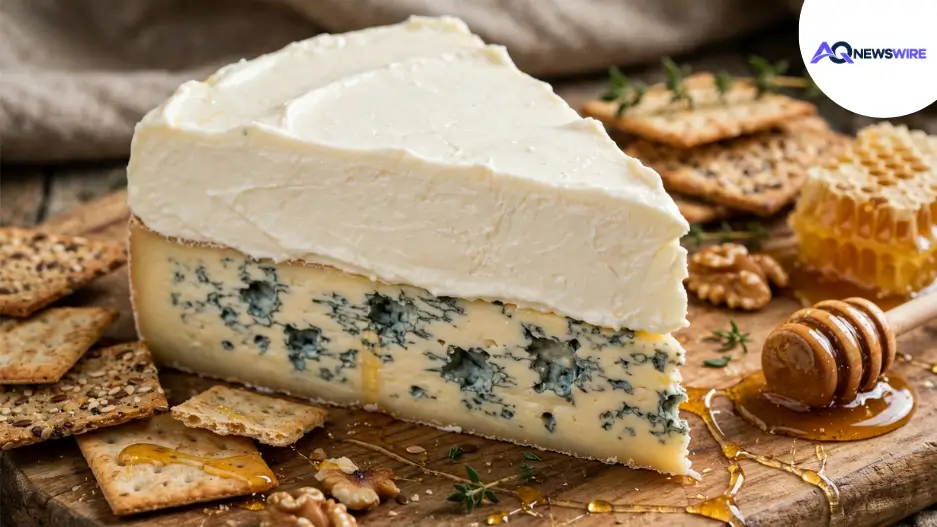
Walk into any good Italian deli or specialty cheese shop, and you will likely spot a wedge that looks more like a slice of frosted cake than a block of cheese. Known to food lovers and cheesemongers as Masgonzola, this treat brings together two of Northern Italy’s finest dairy traditions: rich, velvety Mascarpone and bold, savory Gorgonzola.
Blue cheese has a reputation for dividing a table. Some people love its sharp punch, while others find it far too intense. Masgonzola solves that problem naturally. By layering the sweet, buttery depth of fresh cream with the earthy bite of blue veining, Italian makers created something that appeals to both seasoned cheese heads and cautious beginners.
Whether you see it sold as Torta Gorgonzola e Mascarpone, Gorgonzola con Mascarpone, or simply Masgonzola, here is everything you need to know about where it comes from, how it tastes, and the best ways to enjoy it at home.
The Origins and Making of Masgonzola
To understand how Masgonzola came about, you have to look at Northern Italy—specifically the fertile dairy regions of Lombardy and Piedmont. The lush green pastures here have sustained dairy farming for centuries, producing milk for some of the world's most famous cheeses.
Unlike standalone wheels of Gorgonzola PDO, which are governed by strict historic charters and century-old legal guidelines, Masgonzola is an artisanal creation. Cheesemakers took two finished, regional staples and combined them into a luxurious terrine or cake meant for immediate, fresh enjoyment.
The Two Star Ingredients
Gorgonzola Dolce PDO: Traditional Gorgonzola comes in two styles: Piccante, which is aged longer, firmer, and noticeably sharp, and Dolce, which is aged for roughly 50 to 60 days. Cheesemakers use the Dolce style here. It is supple, slightly sweet, and mild enough to melt into fresh dairy without overpowering it.
Mascarpone: Mascarpone is technically not a rennet-curd cheese at all. It is made by gently heating heavy cream and adding an acid like citric or tartaric acid to curdle it. The result is pure, spreadable butterfat with a clean, milky sweetness that rounds out bolder flavors.
How It Comes Together
Makers generally assemble Masgonzola in one of two ways:
The Layered Torta: This is the classic method you see behind glass counters. Cheesemakers slice rounds of Gorgonzola horizontally and stack them into molds, alternating each slice with thick layers of Mascarpone. Some producers even press a layer of chopped toasted walnuts through the center. When cut vertically into wedges, the cheese reveals bright ivory bands set against pale sage-green veining.
The Blended Spread: Some producers take a simpler route by whipping the two cheeses together until completely smooth. While it lacks the visual drama of the layered slices, it yields a soft, uniform spread that works wonders in hot cooking and cold dips.
What Does Masgonzola Taste Like?
The reason Masgonzola works so well comes down to how fat carries flavor. Pure blue cheese hits your tongue fast and sharp because the blue mold compounds are naturally peppery, salty, and pungent.
When you introduce Mascarpone, its high butterfat content wraps around your tastebuds first. That initial bite feels cool, sweet, and indulgently creamy. As the cheese warms in your mouth, the salty, earthy, and mushroom-like notes of the Gorgonzola emerge softly. You get all the complexity and character of a great blue cheese, but without the harsh sting or bitter aftertaste that turns some people away.
Texture: Soft, custardy, and spreadable at room temperature.
Aroma: Fresh cream and cellar earthiness, with none of the harsh ammonia scent found in over-aged blues.
Taste: A balance of fresh sweet cream, gentle acidity, savory salt, and a mild peppery kick at the finish.
How to Serve Masgonzola on a Grazing Board
Because of its striped look and spreadable texture, Masgonzola makes an immediate impression on a cheese board. A few simple tricks will help you get the most out of every slice.
1. Give It Time to Warm Up
Never serve this cheese straight out of the fridge. Cold temperatures harden the butterfat, hiding the subtle floral notes of the cream and leaving the texture stiff. Take the wedge out of refrigeration roughly 30 to 40 minutes before serving. By the time your guests dig in, the cheese will be custardy, fragrant, and easy to spread.
2. Cut It Cleanly
To keep the neat layers from turning into a messy smudge, use a thin knife or a wire cheese cutter. Dip the blade into warm water and wipe it clean with a kitchen towel between slices. This keeps the dark blue veins from smearing across the clean white Mascarpone stripes.
3. Pairing Accents for the Board
You want accompaniments that cut through rich fat or echo the savory depth of the blue mold:
Fresh Fruit: Thinly sliced Bosc pears, crisp apples, fresh mission figs, and red grapes provide juicy acidity that keeps your palate fresh.
Nuts: Toasted walnuts, raw pecans, and salted Marcona almonds add crunch to an otherwise soft cheese.
Sweet Notes: Drizzle a little wildflower honey, chestnut honey, or fig jam over the top. The pairing of sweet honey and salty blue cheese is unbeatable.
Crackers and Bread: Warm crusty baguettes, sourdough, and simple water crackers work best. Steer clear of heavily garlic-rubbed or salty crackers, which compete with the cheese instead of letting it shine.
Wine and Drink Pairings
Balancing a cheese that is both heavy in butterfat and rich in savory funk takes a drink with good acidity, light sweetness, or gentle bubbles.
Sparkling Wine: A glass of crisp Prosecco, Franciacorta, or dry Champagne works wonders. The bubbles scrub the palate clean of heavy cream, setting you up for the next bite.
Aromatic Whites: Dry, mineral-driven white wines like Soave, Gavi, or a dry Riesling offer green-apple acidity that lifts the cheese without clashing.
Dessert and Late-Harvest Wines: If you enjoy sweet and salty pairings, pour a glass of Sauternes, Vin Santo, or Moscato d’Asti. The natural residual sugar highlights the savory edge of the Gorgonzola.
Fortified Wines: A good Tawny Port or sweet Sherry brings notes of dried fruit and caramel that match the earthy richness of the cheese.
Non-Alcoholic Options: Chilled sparkling apple cider, cold ginger beer with a squeeze of lime, or an unsweetened iced black tea make refreshing companions.
Cooking with Masgonzola
Masgonzola is not just for cold platters; it is fantastic in warm savory dishes. One of the biggest challenges when cooking with pure blue cheese is that it can separate into oil and curds under high heat. Mascarpone acts as a natural stabilizer, helping the whole mix melt down into a glossy, velvety sauce.
1. Simple Cream Pasta and Gnocchi
While your pasta or potato gnocchi is boiling in salted water, drop three or four spoonfuls of Masgonzola into a skillet over low heat. Add a splash of hot pasta cooking water and stir gently until you have a smooth, silky sauce. Toss the cooked pasta directly into the skillet, coat every piece, and finish with freshly cracked black pepper and chopped walnuts.
2. Folded into Polenta
Warm, freshly made polenta loves dairy fat. Just before pulling the pot off the stove, stir in a thick slice of Masgonzola until it melts entirely into the cornmeal. It adds instant body and savoriness, turning a simple side dish into a foundation for braised beef or roasted mushrooms.
3. Stuffed Finger Foods
Bacon or Prosciutto Dates: Stuff sweet Medjool dates with a dollop of Masgonzola, wrap them in a strip of bacon or prosciutto, and bake at 200°C (400°F) until the outside is crisp.
Baked Mushroom Caps: Fill destemmed cremini or portobello caps with the cheese, top with breadcrumbs, and broil until bubbly and golden.
4. White Pizza
Ditch the red tomato sauce. Brush your rolled dough with extra virgin olive oil and minced garlic, scatter thinly sliced red onions, and dot generous mounds of Masgonzola across the top. As it bakes in a hot oven, the cheese melts into rich pockets that pair wonderfully with a charred, crispy crust.
How to Buy and Store It at Home
Because Masgonzola includes fresh Mascarpone, it has a shorter shelf life than aged, hard cheeses. Treating it right keeps it fresh down to the last bite.
Finding a Good Wedge
Look at the Colors: The cream layers should look milky white or pale ivory. If the cream has turned yellow, translucent, or watery, the wedge is past its prime.
Check the Mold: Veining should be vibrant green or slate-blue, without dark brown spots or pooling moisture.
Trust Your Nose: Fresh Masgonzola smells milky, mild, and faintly mushroomy. If you pick up a sharp sour milk or ammonia odor, leave it behind.
Proper Storage
Skip tight plastic wrap when storing this cheese at home. Plastic traps moisture against the surface, making the fresh cream turn gummy and sour quickly.
Instead, wrap your wedge in a piece of parchment paper or wax paper first. This lets the cheese breathe naturally. Slip that wrapped wedge into an unsealed plastic bag or a loose food container, and keep it in the vegetable drawer of your fridge where the temperature stays stable. Plan to eat your slice within 5 to 7 days for the best flavor and texture.
Frequently Asked Questions
What is Masgonzola?
Masgonzola is a specialty Italian dairy product made by alternating layers of sweet, creamy Mascarpone with mild, blue-veined Gorgonzola Dolce.
Is Masgonzola a traditional Italian cheese name?
The name "Masgonzola" is a convenient blend used mostly by cheesemongers and shoppers outside Italy. In Italian markets, you will find it sold under descriptive names like Torta Gorgonzola e Mascarpone or Gorgonzola con Mascarpone.
Can someone who hates blue cheese enjoy this?
Very often, yes. The high butterfat and natural sweetness of Mascarpone soften the sharp sting of the blue mold, making it a gentle introduction for anyone hesitant about strong cheeses.
How is it different from plain Gorgonzola Dolce?
Gorgonzola Dolce is a standalone blue cheese aged to remain soft and mildly sweet. Masgonzola cuts that blue cheese with roughly equal parts fresh Mascarpone, making the final product much creamier, milder, and less pungent.
Can I make this at home?
You can easily make it in your kitchen. Let equal parts Gorgonzola Dolce and Mascarpone soften on the counter for twenty minutes, then alternate spoonfuls in a small parchment-lined dish. Chill it until firm, unmold, and slice.
Can you freeze Masgonzola?
Freezing is not a good idea. Both components have high water and fat content. Freezing breaks the smooth emulsion, leaving you with a grainy, watery mess once it thaws.
Is Masgonzola vegetarian?
Traditional Italian Gorgonzola uses animal calf rennet to set the curd, so authentic versions are not strictly vegetarian. However, domestic or alternative makers who use microbial or plant-based rennet will clearly state so on their packaging.
Does it melt well in warm sauces?
It melts exceptionally well. The butterfat in the Mascarpone stabilizes the mixture, allowing it to dissolve into hot cream or pasta water without separating into an oily layer.
What bread goes best with it?
Crusty sourdough baguettes, toasted country loaves, and mild walnut bread work best. Their chew and mild tang complement the soft, rich texture of the spread.
How long will an opened wedge last?
Because fresh Mascarpone contains plenty of moisture, you should wrap your wedge in parchment paper and enjoy it within 5 to 7 days of opening.
You may also likr to read:
Charfen.co.uk Explained | What It Is? Content Categories, and User Guide