

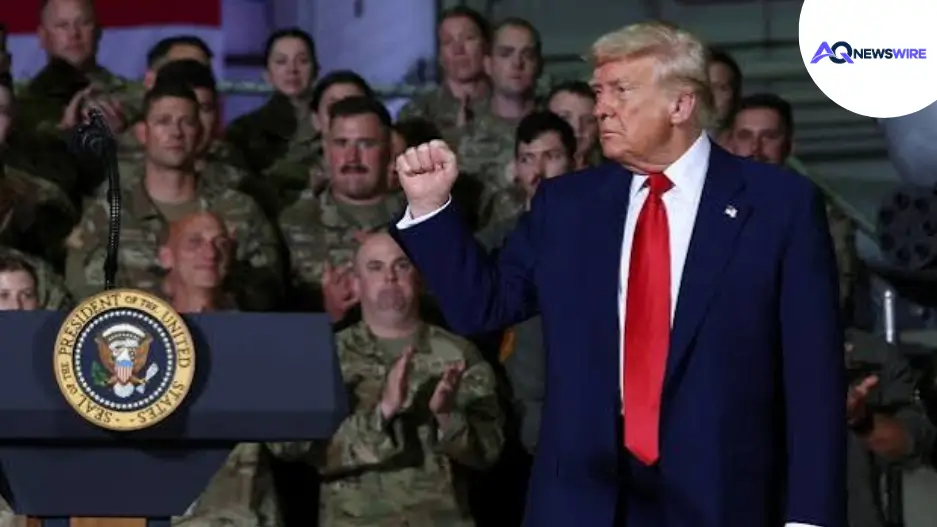
When Donald Trump fundamentally reshaped the American political map, he did so by shattering decades of conventional electoral wisdom. The old party lines—which long pegged the Republican Party as the country club bastion of suburban fiscal conservatives and the Democratic Party as the home of blue-collar labor unions and minority voters—were upended. Instead, Trump forged an unconventional, high-turnout populist coalition centered on non-college-educated voters, Rust Belt factory towns, disillusioned industrial hubs, and surprising inroads among working-class Latino, Black, and young male demographics.
Yet assembling a winning electoral coalition out of anti-establishment frustration is an entirely different task than keeping it intact. As campaign trail promises meet legislative constraints, industrial friction, tariff crosscurrents, and suburban social backlash, the cracks across this multiracial populist alliance are widening. The question confronting Washington is no longer how Trump built his realignment, but whether the competing economic and social interests within it can hold together through consecutive governing cycles.
1. The Shifting Fault Lines of the Modern GOP
For nearly forty years, the Republican Party operated under the Reagan consensus: free-market orthodoxy, low corporate taxes, deregulation, free trade agreements, and an assertive international foreign policy. Trump systematically dismantled that tripod in favor of "America First" economic nationalism, high tariffs, border crackdowns, and foreign policy skepticism.
In doing so, he traded one set of voters for another. The GOP hemorrhaged moderate, college-educated suburbanites—particularly in fast-growing metropolitan centers across Arizona, Georgia, Pennsylvania, and Michigan. In exchange, Trump energized low-propensity rural voters and blue-collar manufacturing workers who felt abandoned by both globalization and traditional neoliberal policies.
The dilemma now facing the party is that this new base is ideologically volatile. Unlike traditional partisans who vote reliably out of lifelong party identification, these voters are transactional. They backed Trump not because they became loyal Republicans, but because they felt economic squeeze, inflation weariness, and frustration with institutional Washington. When real-world governance fails to deliver rapid economic relief, their allegiance does not automatically hold.
2. The Tariff Dilemma: Manufacturing Dreams vs. Consumer Costs
At the core of Trump’s populist appeal has always been trade protectionism. Broad tariffs on foreign steel, aluminum, consumer electronics, and imported vehicles are designed to revive domestic manufacturing and protect American jobs in critical swing states like Ohio, Michigan, and Wisconsin.
To industrial union workers and domestic metal producers, aggressive trade barriers signal a commander-in-chief willing to defend domestic production against cheap overseas competition. But within the broader Trump coalition, tariffs cut in sharply contradictory directions:
Agricultural Exporters: Rural farmers, historically among Trump’s most loyal voting blocs, bear the brunt of retaliatory tariffs from major export partners in Asia and Europe, requiring heavy federal relief subsidies to offset lost export markets.
Small Business Owners and Retailers: Main Street entrepreneurs and small logistics operations operate on thin margins and struggle with surging input costs when supply chains face sudden import levies.
Working-Class Households: Blue-collar consumers spend a disproportionate percentage of their household income on everyday goods—appliances, apparel, auto parts, and food. When tariffs drive up consumer prices, the very voters Trump promised to champion face immediate cost-of-living increases.
The policy paradox is acute: what satisfies the industrial manufacturing wing of the coalition can alienate the rural agricultural and cost-conscious retail segments within the exact same base.
3. The Suburban Chasm: Fiscal Ambition Meets Cultural Friction
While Trump expanded his reach in exurban and rural territory, his standing in affluent, well-educated suburban districts remains precarious.
During his political ascendancy, Republicans lost ground in the suburban rings surrounding Philadelphia, Atlanta, Phoenix, and Detroit. These voters often support lower taxes, corporate investment, and business deregulation, but they consistently recoil from combative rhetoric, culture-war mandates, and disruptions to democratic norms.
The battle over judicial appointments and reproductive healthcare further aggravated this divide. While social conservative groups demand strict federal anti-abortion legislation and hardline cultural enforcement, suburban swing voters—especially independent suburban women—consistently reject federal overreach into personal rights.
Every time policy tilts toward hardline social rhetoric to energize the religious base, the administration risks driving moderate suburban voters straight back into the Democratic column. Bridging the cultural gap between socially conservative rural towns and socially moderate suburban corridors remains one of the sharpest challenges in modern governance.
4. The Multiracial Working Class: A Realignment on Shaky Ground
One of the most consequential developments of recent elections was Trump’s ability to pull working-class Black and Hispanic voters, especially young men, away from the historic Democratic tent. Economic anxiety, skepticism of institutional progressivism, and strong support for entrepreneurial growth allowed the GOP to cut into historic Democratic margins in places like south Texas, Miami-Dade, Nevada, and industrial union halls.
However, political analysts caution that this multiracial movement was not an ideological conversion to conservatism; it was an economic protest vote.
Working-class Latino and Black voters who crossed party lines did so prioritizing inflation control, job security, and neighborhood safety. When public debates shift away from pocketbook prosperity toward aggressive mass deportation operations, reductions in federal labor protections, or safety-net cuts, these voters exhibit clear skepticism.
Unlike older, staunchly conservative white evangelical voters who remain steadfast regardless of short-term economic turbulence, the emerging multiracial working class treats politics with high fluidity. If real wages do not outpace consumer expenses, or if rhetoric turns unnecessarily exclusionary, this crucial demographic component can evaporate as quickly as it materialized.
5. The Entitlement Paradox: Populist Rhetoric vs. Fiscal Reality
Perhaps nowhere is the coalition's internal friction more dangerous than on the future of federal entitlement programs.
Traditional fiscal conservatives in Congress have argued for decades that curbing the long-term federal deficit requires reforming Social Security, Medicare, and Medicaid. Trump, keenly aware of his working-class base, broke with his party’s congressional leadership by repeatedly promising that he would not touch Social Security or Medicare benefits.
This pledge was vital in winning over older, fixed-income voters in retirement havens and blue-collar seniors across the Sun Belt and Midwest. But maintaining that promise runs into fiscal realities:
Policy StanceCoalition BackersCoalition DetractorsReal-World Governing DilemmaBroad Import TariffsIndustrial workers, domestic steel/auto laborAgricultural exporters, small businesses, budget-strapped familiesStimulates select factories while raising consumer shelf prices nationwide.Protecting EntitlementsBlue-collar seniors, working-class householdsFiscal deficit hawks, traditional corporate conservativesProtects voter benefits but complicates balanced-budget legislation.Hardline Border PolicyBorder-security hardliners, cultural conservativesAgricultural & construction sectors, immigrant family communitiesSatisfies security demands but creates acute labor shortages in key industries.Aggressive DeregulationEnergy executives, corporate leaders, large investorsEnvironmental populists, public-health advocates, conservationistsAccelerates resource extraction while triggering local environmental backlash.
Attempting to govern as both a tax-cutting corporate conservative and a protector of expansive federal safety-net spending forces an impossible legislative balancing act.
6. The Danger of Personality-Driven Politics
The defining feature of Trump's coalition is that it was forged primarily around Donald Trump the individual, rather than a coherent institutional party structure.
His theatrical rallies, combative counter-punching persona, and outsider defiance created an intensely personal bond with millions of citizens who felt ignored by the political establishment. Yet personality-driven movements carry systemic vulnerabilities:
Down-Ballot Divergence: When Trump is not personally at the top of the ballot, Republican turnout among low-propensity rural and working-class voters often sags, creating significant vulnerabilities in midterm elections and state-level contests.
Succession Ambiguity: The populist MAGA movement lacks an agreed-upon ideological framework outside of Trump himself. Populist figures like JD Vance champion pro-labor, anti-monopoly, protectionist economic stances, while party donors and traditional lawmakers still favor deregulation and corporate tax cuts.
Fatigue Among the Margins: Constant institutional confrontation and headline turbulence wear down the moderate independents who voted for economic change rather than permanent political upheaval.
The Road Ahead: Realignment or Temporary Disruption?
The coalition that propelled Donald Trump through the American political landscape was undeniably historic. It demonstrated that modern political battlegrounds are no longer fought strictly across standard left-right economic axes, but along educational, cultural, and geographic divides.
However, holding such a sprawling and contradictory confederation together under the pressure of daily governance is an entirely different battle. Industrial protectionism clashes with consumer affordability; social conservatism drives away suburban moderates; and an ethnically diverse working-class base demands concrete wage improvements rather than culture-war victories.
If the administration can deliver tangible, broad-based economic prosperity that lifts blue-collar paychecks without triggering consumer price spikes, this realignment could become a lasting governing majority. But if economic strain deepens and ideological purity tests replace pragmatic pocketbook solutions, the fragile alliance that reshaped modern politics risks fragmenting from within.