

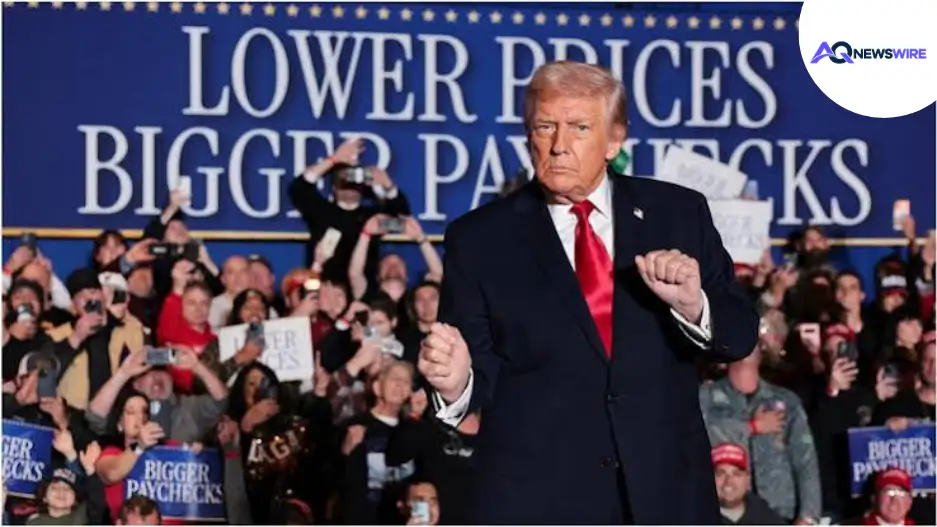
Voter sentiment surrounding the nation’s financial trajectory has taken a steep downward turn, posing severe political headwinds for the White House. According to the latest CNBC All-America Economic Survey, President Donald Trump’s approval rating on the economy has dropped to 34%, the lowest level recorded during his presidency.
Simultaneously, economic disapproval climbed to 65%—a notable rise from 60% three months prior—marking the highest level of voter dissatisfaction on economic management since the survey began tracking presidential metrics. The shift highlights how persistent cost-of-living concerns, unpredictable trade disputes, and interest rate fatigue are overshadowing broader macroeconomic indicators like headline GDP growth and low unemployment.
With congressional control on the line, the sharp drop in economic confidence threatens the core pillar of the administration's platform.
Anatomy of the Decline: A Widespread Erosion in Confidence
The survey of 1,000 registered voters nationwide highlights a growing divide between top-line market figures and everyday household experiences. Approximately eight out of 10 respondents now rate the current economic environment as either "fair" or "poor", while 63% express a pessimistic outlook regarding the nation's trajectory over the next year.
The erosion of support is no longer confined to opposition voters. While Democrats remain almost universally critical of the administration's financial policies, independent voters have grown increasingly sour on key measures, including unpredictable tariff escalations and federal regulatory maneuvers.
Furthermore, cracks have begun surfacing within the president's base. Confidence among rural and working-class voters—critical constituencies in key battleground districts—has softened, driven by concerns over agricultural equipment expenses, industrial input costs, and volatile consumer prices.
Overall presidential approval currently sits at 40%, with 59% disapproving. However, the economic metric carries outsized weight because voter perceptions of economic stewardship have historically served as the administration's strongest polling asset.
Pocketbook Frustrations Trump Headline Growth
The divergence between macroeconomic statistics and public sentiment points to persistent consumer strains. While official reports highlight steady labor markets and strong corporate earnings, everyday Americans face elevated borrowing costs, stubbornly high grocery bills, and volatile fuel prices.
The administration’s trade strategy, including widespread use of Section 338 and reciprocal tariffs, has also introduced supply chain turbulence across domestic manufacturing and retail sectors. While designed to protect domestic industries, fluctuating tariff schedules have led to cost increases that businesses frequently pass down to end consumers.
For swing-state voters, the lack of immediate price relief has fueled growing frustration with the White House's economic messaging.
Midterm Repercussions: The Battle for Capitol Hill
The polling downturn arrives at a critical juncture, casting a shadow over congressional races across suburban and rural districts.
According to the survey, voters currently favor Democratic control of Congress by a margin of 52% to 45%, representing a three-point shift toward Democrats since mid-summer.
Voter engagement metrics further underscore the challenge facing the governing party:
Enthusiasm Gap: Approximately 72% of registered Democrats report high interest in the upcoming election, compared with 62% of Republicans.
Shift on Core Strengths: While Republicans maintain an edge on traditional priorities like border security and immigration enforcement, their lead on immigration contracted to nine points, down from 15 points earlier in the year.
Independent Defection: Independent voters favor divided government by double digits, reflecting a preference for institutional checks on trade actions and executive-branch spending.
Historically, midterms serve as a referendum on the sitting president's economic performance. When a president's economic approval drops into the mid-30s, down-ballot candidates face significant challenges in competitive swing districts.
The Strategic Path Forward
With campaign schedules accelerating, the White House faces a critical strategic choice. The administration can double down on its populist trade measures and industrial investments, or pivot its focus toward immediate consumer relief and inflation mitigation.
Democratic strategists are focusing heavily on living costs, framing the administration's economic moves as volatile and disruptive to family budgets. Republican incumbents in contested races are increasingly attempting to distance their personal campaigns from federal economic decisions, emphasizing localized constituent priorities over national party platforms.
The public's verdict on the economy will be delivered at the ballot box. If voter sentiment does not rebound, the administration's low economic marks could reshape the legislative balance in Washington for the remainder of its term.