
Walking into your local supermarked—the standard Danish and Norwegian term for supermarket—feels like second nature. You pull a cart free from the row, walk past pyramids of seasonal citrus, grab a bag of coffee beans, track down butter at the back, and tap your card at the register on your way out the door.
Yet that quick errand is one of the most meticulously planned retail operations on earth. Under that single roof sits anywhere from 20,000 to over 40,000 separate products, drawing on global cold-freight routes, local greenhouse networks, and hyper-targeted behavioral science.
A supermarked is not an accidental storehouse of food. It is an engineered environment where virtually every sight, smell, and walking path has been calibrated to steer what ends up in your cart. Understanding the mechanics behind that space changes how you shop, helping you protect your time and your bank account.
From Counter Service to Self-Service: The Story Behind the Aisles
To appreciate why modern grocery stores look the way they do, it helps to step back barely a century.
Before the early 1900s, buying groceries was slow, personal, and heavily clerk-dependent. You walked up to a wooden counter in a dry goods store, handed a written slip to a clerk, and stood waiting while they weighed out flour from sacks, scooped lard into tins, and wrapped butcher cuts in brown paper. Goods lived behind the counter where customers couldn't touch them, and prices were rarely marked—clerks negotiated on the spot or scribbled numbers into store credit ledgers.
That business model flipped on its head in 1916 with the launch of Piggly Wiggly in Memphis, Tennessee. Its founder, Clarence Saunders, patented a radical self-service setup that laid the groundwork for today's supermarkets:
Open Shelves: Shoppers were guided through turnstiles to grab items directly from open shelves.
Clear Price Tags: Visible, non-negotiable prices built trust and eliminated awkward haggling.
Handheld Baskets: Giving people portable baskets let them carry far more than two hands could hold, immediately boosting basket sizes.
When personal car ownership, suburban subdivisions, and electric home refrigerators took off after World War II, the weekly grocery trip quickly replaced the daily walk to the corner shop. Small independent bakeries, butchers, and fruit stands gradually merged under one massive roof—giving birth to the modern supermarked format that spread across Europe, North America, and beyond.
The Subtle Psychology of the Aisle
Every square meter inside an established supermarket has a financial target attached to it. Nothing from the front door to the register is left to chance.
The Decompression Zone
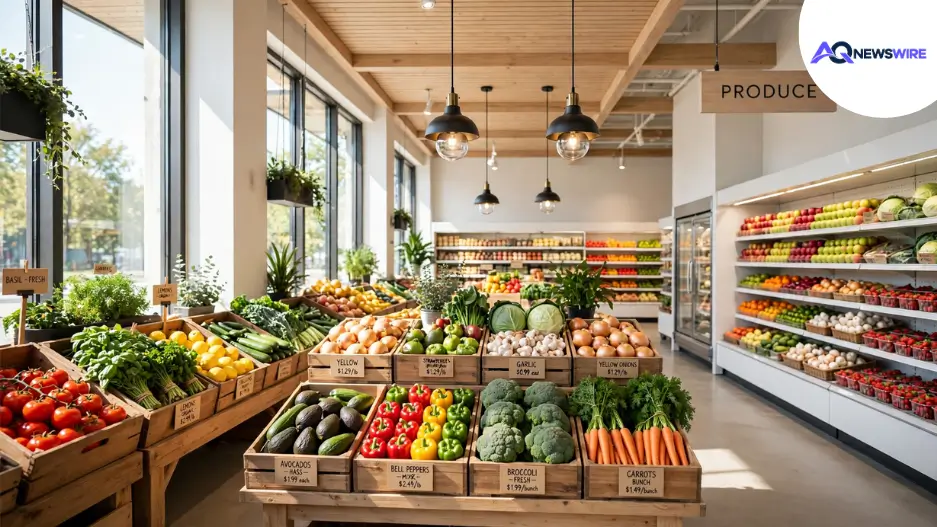
The first few paces inside the entrance make up what retail designers call the "decompression zone." When you walk in from bad weather, traffic, or a crowded parking lot, your brain takes a moment to shift gears. If a store stacked high-margin seasonal deals right against the threshold, you would walk straight past without registering them. Stores deliberately keep this entryway wide, quiet, and visually open so your walking pace naturally drops.
Why Fresh Produce Greets You First
Nearly every grocery store drops you straight into the produce section after the entrance. There are two specific reasons for this:
Freshness Cues: Bright greens, fragrant citrus, and crisp apples create an immediate impression of vitality and clean sourcing, making you assume the rest of the store carries the same quality.
The "Good Shopper" Bias: Dropping fresh vegetables into your cart early on gives you a quick subconscious hit of virtuous accomplishment. Having already made a healthy choice, you become noticeably more open to tossing frozen pizza, craft beer, or chocolate bars into the cart later in the trip.
The Perimeter Loop
Ever wonder why everyday staples—milk, eggs, butter, and raw meat—are consistently tucked along back and side walls? It is a deliberate routing strategy. Because milk and eggs are must-haves for most households, putting them deep in the store forces you to walk past dozens of tempting display end-caps and snack aisles just to grab breakfast basics.
Shelf Height and Sensory Cues
Where an item sits on the shelf determines how well it sells:
The Eye-Level Sweet Spot: The shelves sitting roughly at chest and eye level generate the highest sales volume. Major consumer brands routinely pay steep placement fees (slotting allowances) just to secure this prime territory.
The Bottom Shelf Bargains: Generic store brands, economy bulk bags, and budget staples get pushed down toward the floor, forcing you to bend over to spot the savings.
Music and Scent: Background playlists are often kept around a relaxed 60 to 70 beats per minute, which subtly slows your walking tempo without you realizing it. At the same time, venting the aroma of warm bread from the in-store bakery toward the front aisles triggers your appetite and pushes impulse buying.
The Checkout Finish Line
The checkout line is the last hurdle. Trapped in a narrow lane with a loaded cart, you face racks of chewing gum, cold sodas, single-serve snacks, and magazines. This setup capitalizes directly on "decision fatigue." After spending twenty minutes weighing prices, brands, and ingredients, your willpower is drained, making a quick impulse treat feel well-earned.
Different Store Formats for Different Needs
Not all supermarkets try to be everything to everyone. The industry has splintered into distinct models tailored to different budgets and schedules:
Discount Supermarkets (like Aldi, Lidl, or Netto): These stores stick to a tight footprint and carry between 1,500 and 3,000 essential items. They keep operational costs low by displaying goods straight out of cut-open cardboard shipping boxes, staffing lightly, and leaning almost exclusively on private store brands rather than expensive household names.
Traditional Full-Service Supermarkets: Typically stocking 15,000 to 30,000 items, these neighborhood anchors balance brand-name goods with house labels and include staffed service counters for fresh deli cuts, cheese, and fresh fish.
Hypermarkets and Supercenters (like Carrefour, Bilka, or Walmart): Massive, all-in-one destinations that carry over 40,000 items. They pair a complete grocery warehouse with home appliances, casual clothing, bicycle parts, and garden supplies.
City Express and Convenience Outlets: Compact corner shops positioned near train stations, transit hubs, and dense downtown streets. They charge a premium on a limited catalog centered around quick lunches, chilled beverages, and late-night pantry essentials.
The Tech Quietly Changing the Store Floor
The most meaningful shifts happening across modern food retail are automated systems running behind the scenes.
Digital Shelf Labels
Those small paper price tags slipped into plastic shelf tracks are quickly disappearing. In their place, electronic ink shelf labels update wirelessly from central store servers. Beyond saving staff hours of manual tag-swapping, digital labels allow supermarkets to discount short-dated fresh meats, yogurt, and produce near the end of the day with a few clicks, cutting food waste before it happens.
Cashierless Sensors and App Scanning
While self-checkout kiosks have become common fixtures, friction-free stores are taking things further. Using overhead computer vision cameras, weight sensors in the shelving, and app logins, shoppers can bag items directly from the shelf and walk straight out the door. The system tallies what was taken and bills their saved account automatically.
Predictive Restocking
Supermarket profit margins are notoriously slim, often sitting around just 1% to 3%. Running out of bread drives customers to the shop down the street, while ordering too much leads to spoiled inventory and lost money. Modern stores use inventory systems that analyze weather forecasts (stocking up on charcoal and burgers before a sunny weekend), regional events, and past shopping trends to automatically calculate daily delivery orders.
Waste, Plastic, and Ethical Hurdles
Despite the efficiency of the modern supply chain, supermarkets wrestle with three glaring environmental challenges:
Tackling Food Waste: For years, supermarkets dumped tons of edible food simply because it looked misshapen, slightly blemished, or had non-standard coloring. Today, customer pushback has forced chains to sell "ugly" fruit at a discount, list surplus mystery boxes on apps like Too Good To Go, and set up direct donation channels with community food pantries.
The Plastic Packaging Paradox: Shoppers constantly ask for less plastic in the produce aisle, but thin plastic films keep delicate goods—like English cucumbers or soft berries—fresh for extra days during transit. Eliminating plastic without increasing food spoilage remains a delicate balancing act for retailers.
The Expectation of Endless Seasons: Most shoppers now expect to buy fresh strawberries and ripe avocados in the dead of winter without thinking twice. Keeping those unbroken refrigerated supply chains running burns massive amounts of fuel. Because of this, more independent and regional chains are putting emphasis back on seasonal produce, supporting regional growers to cushion themselves against international supply disruptions.
Practical Ways to Outsmart the Grocery Store
Beating the subtle design tricks of the supermarket comes down to a few practical habits:
Map Meals Before You Leave Home: A clear, written meal plan keeps your eyes locked on the items you actually need rather than promotional cardboard displays.
Grab a Basket Instead of a Cart: If you only came in for five dinner ingredients, carry a basket. As it grows heavier in your hand, it creates physical friction that makes you think twice before grabbing extra impulse snacks.
Scan the Upper and Lower Shelves: Train your eyes to look past the middle shelves. The best unit prices and store-brand staples sit on the bottom two racks.
Know Your Expiration Labels:
"Use By" is a firm food safety deadline; do not eat items once this date passes.
"Best Before" simply indicates peak flavor and texture; unopened dry goods, canned items, and hard cheeses are usually fine well after this date.
Avoid Shopping on an Empty Stomach: Shopping hungry makes you far more prone to impulse buys, guiding your hands toward quick-sugar snacks and salty processed foods.
Frequently Asked Questions
What does the word "supermarked" mean?
"Supermarked" is the Danish and Norwegian word for supermarket—a self-service retail store offering fresh groceries, packaged food, drinks, and daily household goods under one roof.
Why do supermarkets keep milk at the very back?
Placing everyday staples like dairy and eggs on the rear wall forces shoppers to walk past dozens of aisles and end-cap displays, increasing the chances of extra items landing in the cart.
Why is fresh produce the first thing you see inside the store?
Bright fruits and vegetables create an immediate impression of freshness and quality. Buying healthy items first also gives shoppers a subconscious sense of virtue, making them feel more comfortable picking up snacks later.
What separates a supermarket from a hypermarket?
A traditional supermarket focuses on groceries and household cleaning goods within a modest floor plan. A hypermarket merges a supermarket with a department store, stocking clothing, power tools, electronics, and home goods across a much larger building.
Why are store brands cheaper than national brand names?
Private store labels do not carry multi-million-dollar marketing budgets, commercial airtime, or celebrity endorsements. Retailers contract directly with manufacturers to produce them in bulk, passing those savings along at the shelf.
What are slotting fees?
Slotting fees are payments that food manufacturers make to supermarket chains to secure premium shelf placement—especially at eye level or on high-visibility end-cap displays.
How do modern supermarkets deal with unsold food?
Stores mark down items nearing their expiration dates, team up with surplus food apps like Too Good To Go, donate shelf-stable goods to local charities, or send spoiled organic matter to commercial composting and biogas facilities.
What is the "decompression zone"?
It is the open space directly inside the main sliding doors. It gives your eyes and walking pace time to adjust to the indoor environment before you encounter actual product displays.
Are goods at discount supermarkets lower quality?
Not necessarily. Discounters keep prices down by limiting product variety, using simple display boxes on pallets, and running smaller store teams, rather than skimping on basic ingredient quality.
How does predictive inventory software help grocery stores?
Algorithms look at upcoming weather forecasts, historic foot traffic, and supply chain delays to automate order sizes, ensuring shelves stay stocked without bringing in excess goods that will spoil.
You may also like to read:
Exploring DigitalConnectMag.com | Platform Overview, Content Ecosystem, and Digital Publishing