

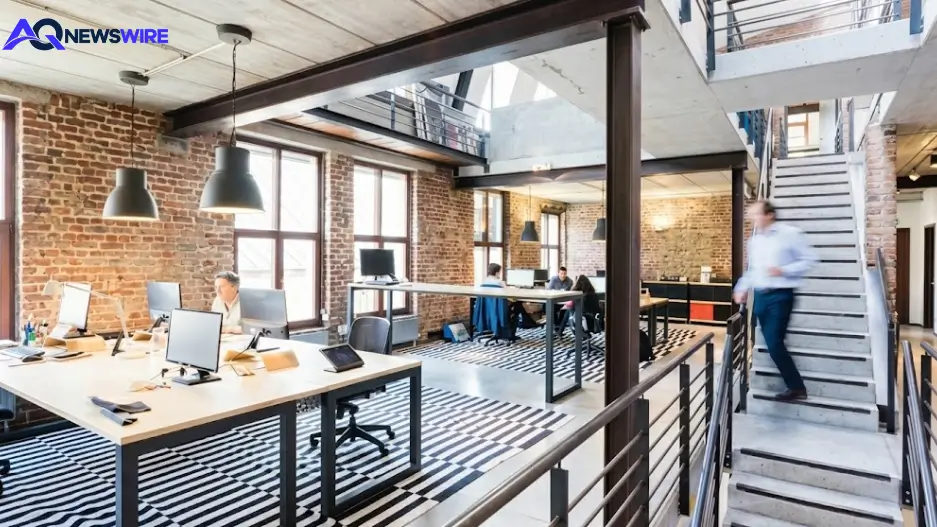
Over the past year, corporate leadership across London, New York, and tech corridors from Seattle to Singapore decided the gentle nudge era was over. The polite emails about "company culture" turned into strict five-day mandates, badge-tracking software on lobby turnstiles, and not-so-subtle threats that anyone working from their kitchen table could kiss their end-of-year promotion goodbye.
The theory behind the crackdown was simple: drag everyone back into the same room, and spontaneous brainstorms, team camaraderie, and lagging output would miraculously return.Instead, companies got the exact opposite.
Workplace data and team surveys tell a messy story: rigid mandates are tanking morale, alienating top performers, and sparking a petty, exhausting game of cat-and-mouse between staff and middle management. Rather than fixing corporate output, the obsession with warm bodies in ergonomic chairs is laying bare just how broken traditional management has become.
The Rise of "Coffee Badging"
When you manage people by counting their badge swipes instead of assessing their actual output, people will simply optimize for the badge swipe.
Enter coffee badging. An employee braves an hour of bumper-to-bumper traffic, taps their security badge at the lobby gate at 8:45 AM, grabs an oat latte from the company canteen, chats with a coworker by the water cooler, and sits at a hot-desk for a two-hour Zoom call. By 11:30 AM, they pack their laptop into their backpack, head back to their car, and drive home to do their actual focused work in peace.
They met the letter of the law. They showed up on the facilities manager's attendance dashboard. But from a productivity standpoint, the whole exercise was pure theater.
The frustration boils down to what actually happens inside the office. Nearly 70% of white-collar workers reporting to corporate campuses say they spend their office days on the exact same video calls and Slack threads they use at home. Fighting rush-hour gridlock just to sit in an open-plan room wearing noise-canceling headphones doesn't feel like "energizing collaboration." It feels like an arbitrary loyalty test.
When physical presence becomes the main way a boss decides who is working hard, visibility replaces value. The person lingering late by the executive suite gets noticed; the person quietly delivering critical code or balancing client accounts from home gets ignored.
Who Actually Quits
The real danger for companies running strict RTO mandates isn’t grumpy employees grumbling in private Slack channels. It’s the quiet brain drain.
Your most capable employees—the senior engineers, the lead data analysts, the veteran project managers who keep the wheels turning—almost always have options. When executive leadership issues a blanket "my way or the highway" ultimatum, those high performers don't argue. They quietly take recruiter calls and jump to competitors that treat them like adults.The fallout hits specific, critical groups hardest:
Working Parents and Caregivers: Losing the ability to flex an hour in the afternoon to handle a school pickup or a family doctor visit forces experienced, mid-career parents—especially women—right out of the pipeline.
Specialized Tech Roles: Software teams that spent years collaborating smoothly across three time zones view a mandated two-hour daily commute as an insulting step backward.
Hires Recruited Far from Headquarters: People hired during remote expansions now face an impossible ultimatum: uproot their families to move near an expensive city center, or hand in their two weeks' notice.
Losing a skilled employee isn't a minor administrative hiccup. Between executive search fees, signing bonuses, and the invisible loss of institutional know-how, replacing a senior team member routinely costs anywhere from six months to two years of their salary. For many firms, that turnover cost wipes out any theoretical efficiency gain from having people under the same roof.
Why "Intentional Gathering" Works Instead
The companies that are actually hitting their numbers aren't the ones playing hall monitor with building security badges. They’re running on intentional presence.
Under an intentional model, you don't commute to an office just to answer emails or fill out expense reports. In-person days are reserved for things where being in the same room genuinely matters: complex project kickoffs, high-stakes client presentations, multi-day whiteboard sessions, and welcoming new hires.
More importantly, the decision on when to meet in person is handed down to team leads and department heads—the people who actually understand the workflow—rather than handed down as a sweeping mandate from a chief executive sitting in a corner office.
Redefining What "Work" Looks Like
At its core, the office showdown isn't really about commercial real estate leases or free office snacks. It’s about trust.
Measuring a knowledge worker's contribution by how many hours their backside sits in an office chair is a factory-floor habit left over from the industrial era. It doesn't work for modern work. You can force people to swipe through a turnstile, but you can't force them to care, innovate, or go the extra mile once they sit down.
Until leadership learns to evaluate people on what they build, ship, and solve—rather than where they happen to be sitting when they do it—the RTO push will remain an expensive self-inflicted wound: burning out talent, rewarding performative desk-sitting, and strangling the very productivity it was meant to rescue.



