

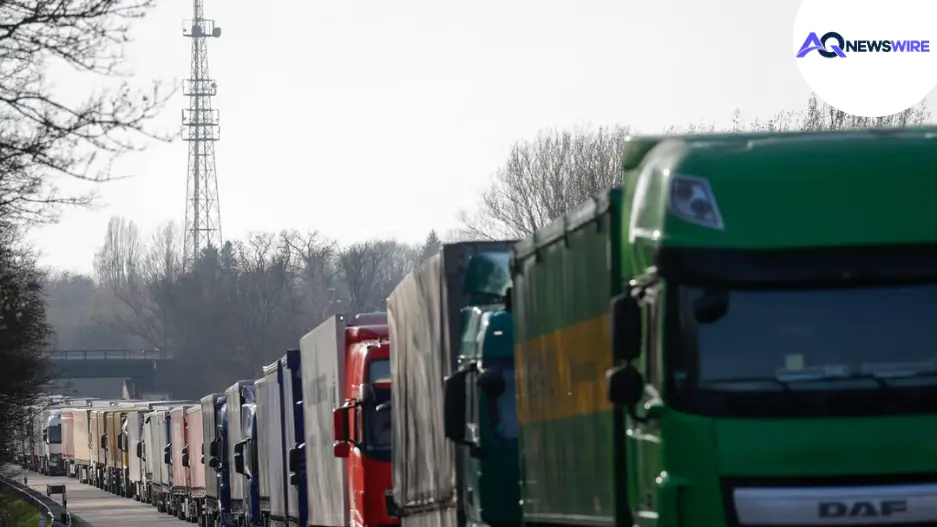
If you run supply chain logistics for a living, your routing guide has probably looked a lot different over the past few months.
For the better part of two years, moving goods across America was an easy choice: put it on an eighteen-wheeler. Long-haul trucking had way too many rigs chasing too few loads, which sent spot freight rates tumbling through the floor. Railroads, with their rigid timetables and complicated terminal transfers, were largely left fighting for scraps.
Now, the pendulum is swinging back with a vengeance.
With diesel prices refusing to drop and new regulations quietly thinning out the supply of highway drivers, moving 53-foot boxes purely on rubber tires is getting painfully expensive again. Shippers who spent years swearing by over-the-road trucking are giving intermodal—hauling shipping containers on train flatcars before trucking them for the last mile—a very serious second look.
The Highway Squeeze
The shift isn’t happening because supply chain bosses suddenly fell in love with locomotives. It’s happening because highway trucking is running out of slack.
Tighter federal safety enforcement, stricter crackdowns on driver hours, and skyrocketing commercial insurance premiums have finally pushed marginal trucking operators to the brink. Hundreds of small carriers and owner-operators have quietly parked their rigs or handed back their keys.
As truck capacity tightens, spot rates climb. Add in another brutal spike at the diesel pump, and the balance sheet starts bleeding fast.
"Once diesel stays high and truck capacity tightens even a hair, the math changes instantly," explains Anne Reinke, CEO of the Intermodal Association of North America (IANA). "On runs longer than 500 miles, trains are vastly more fuel-efficient than trucks. When every single tank of fuel burns a bigger hole in your bottom line, rail becomes the fastest pressure-release valve available."
Right now, intermodal accounts for only about 14% of long-haul freight moving past that 500-mile mark. But because that market is so massive, even a tiny nudge—just one or two percent moving off the highway—translates into hundreds of thousands of extra shipping containers rolling through domestic railyards.
The Big Test: Can Railroads Avoid Blowing It?
Anyone who has worked in freight for more than five minutes knows the railroads have seen this movie before.
Every time highway rates surge, cargo floods onto the tracks. And almost every time, the railroads choke: railyards get congested, empty containers vanish, and shipments sit stranded for days on end. The second trucking rates cool off, annoyed shippers pack up and head right back to the open road.
This time around, rail carriers and logistics heavyweights like J.B. Hunt, BNSF, and Union Pacific know they're on probation. They’ve spent the last two years pouring cash into modernizing inland terminals, buying up private container fleets, and installing yard-tracking software so boxes don’t get lost in the shuffle.
The game plan is simple:
Hit the Schedule: Shippers running lean inventories can't tolerate a container showing up 48 hours late. Precision scheduling has to be real, not a marketing slide.
Stop Flying Blind: Shippers want real-time GPS sensors inside the container so they don’t have to wonder which siding their cargo is idling on.
Fix the Hand-Off: Speeding up the local truck drivers (drayage) who pick up containers at the terminal, cutting down the expensive storage fees that drive customers crazy.
The Factory Next Door
There’s another major tailwind behind this rail revival: the explosion of manufacturing in Mexico.
As global companies pull production out of Asia and set up shop across the border in Monterrey or the Bajío corridor, the amount of freight crossing into the U.S. is smashing records.
Trying to haul all of those auto parts, appliances, and electronics over the border solely by highway is an absolute headache—you run straight into border bottlenecks, driver shortages, and the constant threat of cargo theft on Mexican highways. Coordinated cross-border rail runs let shippers drop sealed containers onto a train in Mexico and bypass the border chaos entirely, hauling straight into Chicago or Atlanta without changing hands.
Sticking the Landing
The real question is whether intermodal can hold onto these new customers once the freight market calms down.
If diesel prices stay stubbornly high and trucking rules keep a tight lid on driver supply, the rails could ride this wave for a long time. But freight managers have long memories. Price gets shippers to test the tracks, but only relentless, on-time reliability will keep them from running back to the highway the first chance they get.
For now, though, the momentum is undeniably on the side of the tracks.



