The modern workplace is changing faster than ever, and artificial intelligence is finding its way into almost every corner of business operations. If you have recently come across the term HRMtaila while looking into workplace trends, you might be wondering what it actually means.
At its core, HRMtaila represents the intersection of traditional human resource management (HRM) and modern digital automation. It reflects how organizations are moving away from clunky spreadsheets, endless email chains, and manual paperwork, shifting instead toward smart, data-driven workflows.
This guide breaks down what HRMtaila means, how AI is changing everyday HR tasks, the benefits and challenges of automation, and why keeping a human touch remains essential.
What Is HRMtaila? (Unpacking the Concept)
To understand HRMtaila, it helps to look at how human resources departments have traditionally operated. For decades, HR teams spent countless hours bogged down by administrative chores—manually sorting resumes, tracking vacation days in static spreadsheets, answering repetitive policy questions, and filing physical paperwork.
HRMtaila serves as a modern framework that combines foundational HR principles with smart automation and AI tools.
Moving Beyond Spreadsheets: Instead of manually tracking everything, businesses use integrated software to streamline communication and data management.
The Core Philosophy: The goal of HRMtaila is not to replace HR professionals with cold algorithms. Instead, it is designed to take over repetitive administrative work so human teams can focus on what matters most: workplace culture, employee well-being, strategic planning, and personal mentorship.
Key Features and Applications of HRMtaila in the Workplace
As organizations adopt digital tools, several practical applications stand out in transforming daily HR workflows:
1. Recruitment and Talent Acquisition
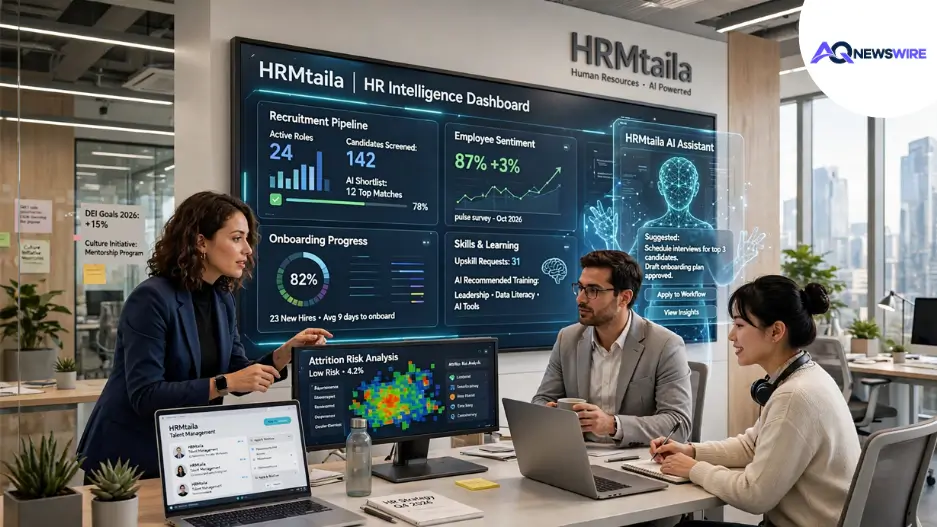
Sorting through hundreds of CVs for a single open position can easily overwhelm a hiring manager. Automated screening tools can quickly filter applications based on required skills, rank candidate qualifications, and streamline interview scheduling, saving recruiters hours of manual sorting.
2. Employee Support and HR Chatbots
Have you ever needed to know how many vacation days you have left or what the company policy is on remote work, only to wait days for a response? AI-powered HR chatbots integrated into internal communication channels can provide instant, 24/7 answers to routine employee questions.
3. Training and Skill Development
Every growing company needs to keep its team's skills sharp. HRMtaila-style frameworks help personalize learning paths by:
Recommending relevant online courses and training modules.
Tracking individual completion rates and sending automated reminders.
Identifying organizational skill gaps so managers can plan targeted workshops.
4. Workforce Analytics
HR teams collect a massive amount of data, from turnover rates and attendance patterns to onboarding feedback and performance reviews. Workforce analytics tools turn raw numbers into visual dashboards, helping leadership spot trends, reduce burnout risks, and make informed staffing decisions.
Traditional HR vs. HRMtaila: A Comparative Breakdown
Moving from manual tasks to automated workflows changes how departments function on a daily basis.
Feature
Traditional HR Management
HRMtaila (AI-Driven Framework)
Primary Focus
Manual paperwork, compliance tracking, and reactive support.
Proactive employee experience, strategic culture-building, and data insights.
Recruitment
Manually reading every resume and scheduling via endless emails.
Automated initial screening, fast filtering, and smart scheduling tools.
Employee Support
Direct email inquiries or waiting for office hours.
Instant answers via internal knowledge bases and HR chatbots.
Data Management
Physical files, disconnected folders, and manual spreadsheets.
Centralized cloud databases and automated analytics dashboards.
Balancing Technology and Human Oversight
While automation brings incredible speed and efficiency, human resources deals with people's livelihoods, career growth, emotional well-being, and personal struggles. Technology should always serve as a support system rather than a final authority.
The Human Element: An algorithm can read data, but it cannot empathize with an employee going through a difficult personal situation, mediate complex interpersonal conflicts, or foster genuine trust.
Ethics and Fairness: Automated systems must be monitored closely to prevent bias in hiring or performance evaluations. Transparent human oversight ensures that data privacy laws (like local labor standards and privacy regulations) are strictly respected.
The Sweet Spot: The most successful organizations use technology to handle data processing and routine tasks while keeping human empathy firmly at the center of sensitive decisions.
Frequently Asked Questions (FAQ)
What does HRMtaila mean?
HRMtaila is an emerging term that describes the integration of artificial intelligence, automation, and smart analytics into human resource management.
Is HRMtaila a specific software brand?
No, it is a conceptual framework and trending term used to discuss modern, tech-enabled human resource management practices.
Will AI replace HR professionals?
No. AI is designed to handle repetitive administrative tasks, leaving complex decision-making, empathy-driven support, and culture-building to human professionals.
How does automation help with recruitment?
It helps by filtering resumes, matching candidate skills to job descriptions, and speeding up initial interview scheduling.
Can small businesses benefit from these tools?
Yes. Smaller companies often have limited HR staff, meaning automation tools can save significant time on onboarding and administrative tasks.
How do HR chatbots work?
HR chatbots use natural language processing to answer common employee questions regarding benefits, company policies, and schedules instantly.
What are workforce analytics?
Workforce analytics involve collecting and analyzing HR data—such as employee turnover and engagement—to help leadership make better decisions.
Are automated HR systems secure?
Modern HR platforms use encrypted cloud storage and role-based permissions to protect sensitive employee data and maintain compliance.
Does automation help remote and hybrid teams?
Yes. Centralized digital portals and asynchronous tools make it much easier to manage onboarding and communication across distributed teams.
What is the future of AI in human resources?
The future points toward smarter predictive analytics, personalized training paths, and smoother administrative workflows, all backed by strong human oversight.