
Have you ever stumbled across a strange search term online, looked at it, and wondered what on earth it could possibly mean? If you recently ran across the word "Jipinfeiche" hanging out in gaming forums, translation lists, or search trends, you are definitely not alone.
When international gaming terms get translated into phonetic English spellings, they often look like brand-new tech startups, mystery apps, or indie side-projects. So, what is Jipinfeiche, and why is it popping up on your radar?
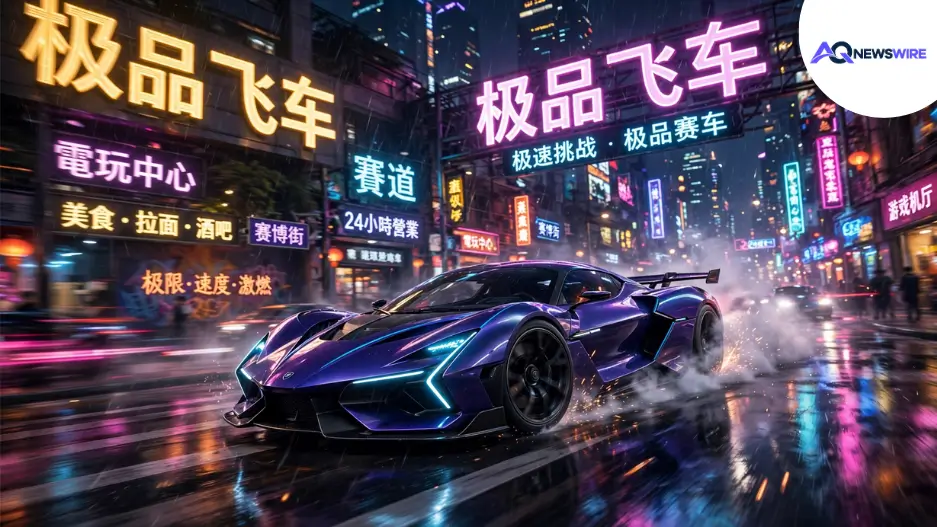
To put it straight: Jipinfeiche is simply the romanized pinyin spelling of 极品飞车 (Jípǐn Fēichē), which is the official Simplified Chinese title for Electronic Arts' massive racing franchise, Need for Speed.
Figuring this out requires looking past the language barrier, breaking down its exact translation, seeing how it fits into the global gaming world, and clearing up a few weird internet rumors along the way.
I. What Do the Characters Actually Mean?
To understand why Need for Speed turns into Jipinfeiche, we have to take a quick look at how Chinese localization works. Direct, word-for-word translations usually fall flat in marketing. Instead, publishers focus on cultural vibe, emotional impact, and sounding cool.
Breaking Down 极品飞车
The phrase is built from two distinct parts:
极品 (Jípǐn): Means "top-grade," "ultimate," "elite," or "the absolute best."
飞车 (Fēichē): Literally translates to "flying car" or a vehicle moving at blistering, unbelievable speed.
Blend them together, and 极品飞车 paints a picture of elite, high-performance supercars tearing down the asphalt at impossible speeds.
Why the Name Change?
If you translated "Need for Speed" literally into Mandarin, it would sound pretty clunky. Instead, marketing teams went with a localized title that screams luxury, top-tier car tuning, and high-stakes racing. The word Jipinfeiche is just the Latin-alphabet spelling of those Chinese characters so that international databases and search engines can easily index cross-border gaming conversations.
II. The Core Connection: Jipinfeiche Meets Need for Speed
The biggest takeaway here is that Jipinfeiche isn't some indie racing clone or a separate game made by a rival studio. It’s literally just the official branding used across Greater China for one of the most famous racing properties in gaming history.
Official Publisher Backing
Electronic Arts (EA) officially uses the 极品飞车 banner across its regional Simplified Chinese websites and promotional campaigns. Whether players are checking out vintage arcade classics or brand-new entries, the localized name covers the entire lineage of the series.
A Long Gaming Legacy
The franchise has gone through a ton of transformations since the 1990s. Under the Jipinfeiche banner, Chinese-speaking players have grown up with decades of iconic titles:
Underground & Underground 2: Leaning heavily into tuner culture, neon underglow, and heavy visual mods.
Most Wanted (2005): A massive cultural touchstone defined by intense police chases and blacklist rivalries.
Modern Additions: Including newer entries like Heat, Hot Pursuit Remastered, and Unbound.
The Mobile Explosion
In recent years, the name has seen a huge surge in visibility thanks to mobile spin-offs. For instance, games like Need for Speed: Assemble (released in Asian markets as 极品飞车:集结) are built through partnerships with giants like Tencent, bringing open-world street racing straight to mobile phones under the familiar localized title.
III. Clearing Up Common Internet Myths
Because automated web scrapers and keyword generators often misunderstand foreign romanized terms, a few odd myths have popped up online about this word. Let's knock them down:
Myth 1: Is Jipinfeiche a separate game? Nope. It’s not a clone or an original Chinese IP; it’s literally just Need for Speed with a localized name.
Myth 2: Is it a real car company? No. While real-world car giants like Porsche, BMW, and Chevrolet are featured heavily in the games, the word itself is purely a media title.
Myth 3: Is it a wellness trend or a philosophy? Some low-effort content sites occasionally mislabel foreign search terms as lifestyle philosophies. Rest assured, it has zero to do with meditation—it's all about horsepower and nitrous.
IV. Why Regional Localization Matters
The existence of terms like Jipinfeiche is a great reminder of how wonderfully globalized the internet has become. Gaming is borderless, but languages need translation.
When international esports tournaments kick off, or when Western players go hunting for foreign beta tests, speedruns, or modding communities, romanized pinyin acts as a bridge. It connects Western analytics with Eastern gaming communities, making it easy to track how beloved franchises evolve across different cultures.
V. Wrapping It Up
The mystery of Jipinfeiche clears up the second you look past the alphabet spelling and check out the Chinese characters. It’s a textbook example of creative brand localization—turning Need for Speed into a phrase that captures the exact vibe of elite, high-velocity driving. Whether you're a lifelong fan of the franchise or just decoding a weird search query, understanding these cross-cultural naming tricks makes navigating the gaming world a whole lot easier.
Frequently Asked Questions (FAQs)
What does "Jipinfeiche" actually mean?
It is the romanized pinyin spelling of 极品飞车 (Jípǐn Fēichē), a Simplified Chinese phrase that translates roughly to "top-grade racing vehicle" or "elite speed car."
Is Jipinfeiche the Chinese name for Need for Speed?
Yes! Electronic Arts officially uses 极品飞车 as the franchise title for Need for Speed across its Chinese web portals and marketing materials.
Is Jipinfeiche a completely different video game?
No, it is not a standalone or competing indie game; it simply represents the Need for Speed series within Chinese-speaking markets.
Who originally created the Need for Speed franchise?
The series was originally launched by Distinctive Software (later bought by EA and renamed EA Canada), with subsequent games developed by studios like Black Box, Ghost Games, and Criterion Games.
Are there mobile games tied to this name?
Yes. Mobile versions, such as Need for Speed: Assemble (极品飞车:集结), operate under this localized banner via publishing partnerships with Tencent.
Why do Chinese game titles differ from English ones?
Literal translations often sound awkward or fail to capture local marketing appeal. Localization teams adapt titles to evoke specific feelings of speed, luxury, and excitement.
What is pinyin anyway?
Pinyin is the official system used to transcribe Mandarin Chinese characters into the standard Latin alphabet, making it easier for non-native speakers to read, pronounce, and search Chinese words.
Does this include older classics like Most Wanted?
Yes. Official catalogs under this banner feature beloved legacy entries such as Most Wanted, Underground, Hot Pursuit, and Unbound.
Why am I seeing this term on English websites?
It pops up frequently in cross-cultural gaming databases, international SEO tracking, and translation forums where players bridge English and Chinese gaming content.
Where can I find official details on the series?
You can check official EA community hubs, gaming wikis, or regional EA portals to explore the long history of the franchise across global markets.
You may also like to read:
Melanie Lynn Clapp | Life, Independent Career, and Hollywood History