

A sharp wave of maritime attacks targeting commercial vessels across the Strait of Hormuz and surrounding waters is jeopardizing a tentative recovery in Persian Gulf crude exports. The escalation, marked by drone strikes, missile volleys, and aggressive naval interference, has injected fresh volatility into key shipping corridors just as regional producers were beginning to restore outbound flows toward pre-disruption volumes.
Maritime security monitors and trade tracking agencies report that the concentration of strikes has reached its highest weekly frequency in months. The renewed offensive is prompting tanker operators to reassess risk tolerances, triggering reroutings and threatening the complex logistics network that keeps global energy markets supplied.
Expanding the Maritime Danger Zone
For months, maritime skirmishes remained largely confined to narrow transit corridors within the Strait of Hormuz itself. However, recent intelligence bulletins issued by the United Kingdom Maritime Trade Operations (UKMTO) and the Joint Maritime Information Center (JMIC) indicate that hostile operations have broadened geographically.
Projectiles, loitering munitions, and electronic hailing challenges are now striking commercial traffic further into the Persian Gulf and extending toward anchorages near the United Arab Emirates and the Gulf of Oman. Vessels at anchor off bunkering hubs like Fujairah—traditionally considered a safer staging area outside the immediate chokepoint—have reported hostile approaches and nearby explosions.
This geographic dispersion has strained international naval escorts. Security analysts note that by spreading strike zones across hundreds of nautical miles, attacking forces are stretching coalition surveillance and air-defense patrols, complicating defensive coverage for merchant shipping lanes.
A Direct Challenge to Export Normalization
The timing of the escalation coincides directly with efforts by Gulf producers to ramp up crude and refined product shipments. Over recent weeks, satellite observation and terminal loading schedules indicated that export volumes out of southern Iraq and Saudi hubs were regaining upward momentum.
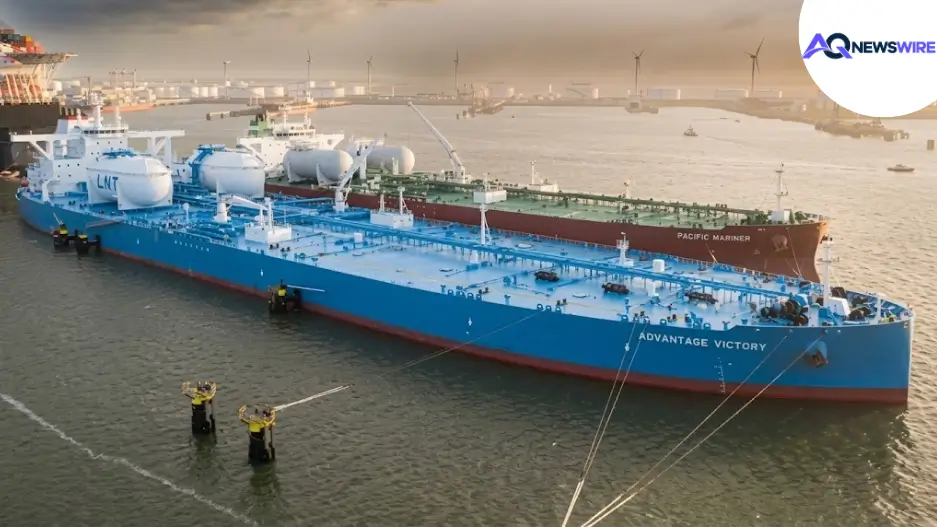
To bypass the riskiest zones of the strait, international traders had increasingly relied on a delicate logistical workaround: small, specialized shuttle tankers navigated the narrow passage to transfer crude via ship-to-ship (STS) operations onto Very Large Crude Carriers (VLCCs) staged outside the waterway.
The latest barrage of attacks directly undermines this bypass mechanism. Tracking data reveals that multiple empty supertankers approaching coastal UAE hubs have altered course, idled in open waters, or turned back entirely rather than waiting in exposed anchorages. If supertankers refuse to loiter for shuttle transfers, loading terminals upstream could rapidly face storage bottlenecks, forcing regional operators to throttle back production runs.
Mounting Commercial and Insurance Fallout
Beyond immediate hull damage and crew safety concerns, the commercial toll on global shipping is mounting rapidly:
War-Risk Insurance Spikes: Underwriters have sharply elevated war-risk premiums for vessels entering the Persian Gulf, adding hundreds of thousands of dollars to the voyage cost of a single supertanker transit.
Transit Bottlenecks: Facilitated convoys and cautious night passages have slashed daily commercial vessel transits through Hormuz to a fraction of their historical baselines.
Freight Rate Volatility: Tanker charter rates have spiked as shipowners demand steep risk premiums to deploy crews into contested waters, driving up landing costs for major import hubs across Asia and Europe.
Despite the heightened peril, state-backed logistics operators in the Gulf insist they will maintain lifelines to international buyers. Maritime executives speaking at regional energy conferences affirmed their commitment to sustaining supply chains through resilient routing and reinforced convoy arrangements, declaring that regional oil trade will not be held hostage by asymmetric threats.
Global Energy Markets on Edge
While oil benchmarks have experienced sharp intraday fluctuations whenever strikes are confirmed, energy markets are balancing supply risks against uncertain global demand forecasts. Nevertheless, commodity analysts warn that a prolonged campaign targeting commercial tonnage could quickly eliminate the surplus capacity currently dampening market prices.
With naval threat levels in the Strait of Hormuz remaining at severe, the coming weeks will test the resilience of Middle Eastern energy corridors. Unless maritime security can be restored and commercial confidence rebuilt, the hard-won recovery in Gulf oil shipments risks grinding to a halt under the weight of escalating maritime conflict.



