

Walk into any major bank or tech campus today, and security engineers are already sweating the arrival of quantum computers. Cloud providers are overhauling their servers, defense agencies are setting strict deadlines, and Wall Street is testing new encryption math designed to withstand machines that don’t even fully exist yet.
Now walk into an intensive care unit, an outpatient dialysis center, or look at the chest of someone living with a pacemaker.In the medical world, that sense of urgency has barely registered.
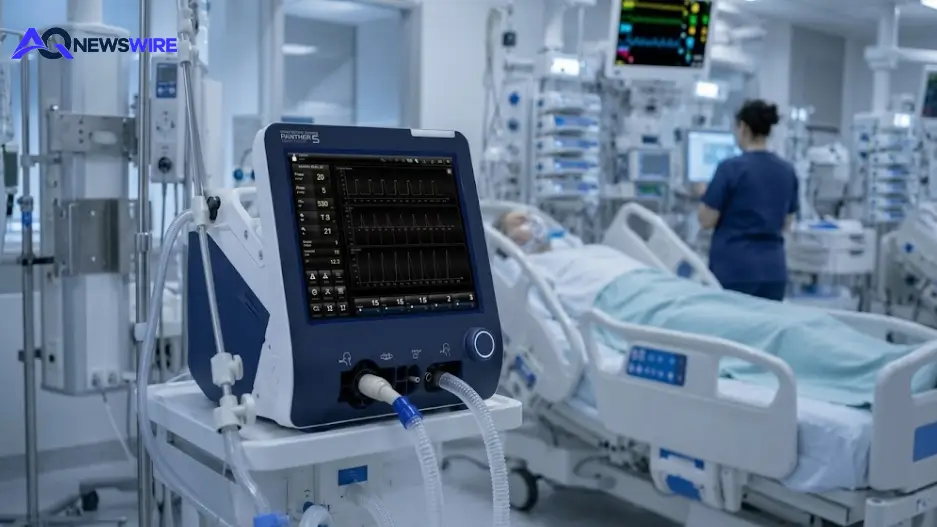
The very hardware patients rely on to stay alive—cardiac defibrillators, wireless insulin pumps, bedside infusion drips, and neurostimulators—ranks among the least prepared tech on earth for the quantum era. While your smartphone gets replaced every three years, medical gear is built to run untouched for a decade or more.
Worse, these devices run on microscopic, battery-sipping computer chips that couldn't handle heavy post-quantum encryption if they tried. When cryptanalytically capable quantum computers arrive, the digital locks protecting life-critical medical equipment won't just pick open; they will evaporate.
The Math That Protects Your Heart
For thirty years, digital trust in healthcare has rested on a handful of mathematical puzzles—mainly RSA and Elliptic Curve Cryptography (ECC).
Every time a nurse adjusts a chemotherapy dose from a central tablet, or a doctor beams a firmware update to an implanted pacemaker, these algorithms do three critical jobs:
Authenticate Updates: They ensure that code beamed over the air actually came from the manufacturer, not someone sitting in the hospital parking lot with a laptop.
Validate Commands: They verify that a radio signal telling an insulin pump to deliver 8 units of fast-acting insulin came from the patient's continuous glucose monitor, not an imposter.
Lock Down Telemetry: They keep private cardiac logs and patient vitals scrambled as they travel across the clinic's Wi-Fi network.
On standard computers, cracking an RSA-2048 key takes thousands of years of brute-force guessing. But running Shor’s algorithm on a mature quantum computer flips the script. Instead of guessing, it solves the underlying prime-factor math in minutes. Modern public-key cryptography simply crumbles into plain text.
If you run an online bank, you can patch your server with new lattice-based cryptography finalized by NIST. But if you have that same algorithm on a pacemaker implanted in someone's chest, you run headfirst into a physical wall.
The Hardware Trap Inside the Body
The reason healthcare is lagging so far behind isn't laziness—it’s physics.
A laptop plugged into a wall outlet has gigabytes of RAM and plenty of juice. A medical implant operates under brutal physical constraints:
Every Battery Drop Counts: A pacemaker's chief job is to run for ten years without needing surgery to replace it. Post-quantum cryptographic handshakes are mathematically heavy. If running security checks drains the battery twice as fast, patients end up on an operating table every four years just to swap out hardware.
Microscopic Computing Budgets: The low-power 8-bit and 16-bit microcontrollers running bedside drug pumps don't have the memory buffers to handle post-quantum algorithms. The new quantum-resistant keys and digital signatures are 10 to 50 times larger than the ECC keys used today. Shoving those massive packets into a tiny chip causes buffer crashes and steals processing cycles away from monitoring the patient's heartbeat.
The Decade-Long Lifespan: Getting a complex medical device through the FDA or European regulators takes five to seven years. Once approved, hospitals keep that expensive hardware in service for another ten to fifteen years. Devices rolling off production lines today will still be hooked up to patients in 2040—right in the crosshairs of when quantum decryption is expected to arrive.
"Steal It Today, Read It Tomorrow"
Security researchers warn that waiting around for the first fully functioning quantum machine to go live is a fatal mistake.
Hostile nation-states and criminal cartels are already running "Harvest Now, Decrypt Later" operations. They intercept and hoard massive streams of encrypted medical telemetry, patient records, and device communications intercepted over Wi-Fi and Bluetooth.
They can't read the files today. But the day a quantum machine turns on, that hoarded vault turns completely transparent.
The real nightmare isn't just stolen health records. If an attacker archives valid digital signing certificates used by medical manufacturers today, they could eventually use quantum decryption to forge legitimate-looking firmware updates. That would allow bad actors to push malicious code straight into legacy hospital fleets—silencing alarms, altering drug dosages, or draining device batteries on command.
Getting Out of the Danger Zone
Fixing this mess means throwing out the fantasy that hospitals can just push an over-the-air software update when the time comes.
For starters, regulators need to make "crypto-agility" mandatory for every new piece of hardware seeking approval—forcing device makers to design modular chips that can swap out encryption schemes without needing an entirely new hardware redesign.
For the millions of devices already plugged into hospital walls that can't run modern math natively, clinics have to build digital buffer zones. That means setting up external hardware bridges—medical-grade gateways on the local network that handle the heavy quantum-safe encryption on the outside, while talking to individual bedside pumps through isolated, locked-down internal connections.
In the corporate world, a broken encryption key costs money and causes embarrassment. In a hospital room, encryption is the only thing stopping someone from tampering with the machine keeping a heart beating. If healthcare doesn't start preparing its hardware for the quantum shift now, the cost won't be measured in compromised databases—it will be counted in human lives.



