

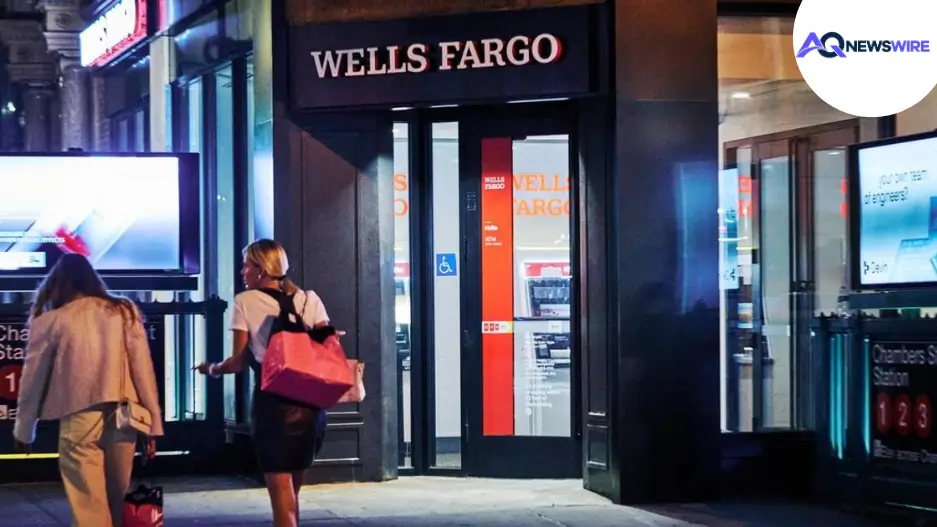
Just a few years ago, Wells Fargo was getting hammered by civil rights groups, lawmakers, and federal regulators for denying refinancing loans to Black applicants during the pandemic. In response, the banking giant did what big corporations do: it launched glossy multi-million-dollar programs, pledged billions in targeted credit, and vowed to help hundreds of thousands of Black families buy their first home.
Now, in a dramatic political 180, the federal government is coming after them—for doing exactly that.
The Department of Housing and Urban Development (HUD) has launched a formal civil rights investigation into Wells Fargo, claiming its targeted Black homeownership programs might actually violate the Fair Housing Act.
The rationale coming out of Washington is that by carving out special refinancing discounts, closing-cost subsidies, and dedicated lending pools aimed at closing the racial wealth gap, the bank was illegally "sorting" borrowers by race and discriminating against everyone else.
The Catch-22 of Corporate Lending
The probe puts Wells Fargo—and honestly, the entire banking sector—in an extraordinary bind.
Back in 2020 and 2021, when mortgage rates dropped to historic lows, Wells Fargo approved fewer than half of the refinancing applications submitted by Black homeowners, while approving more than 70% of white applicants. The public fallout was brutal. Class-action lawsuits were filed, lawmakers held hearings, and the bank’s brand took another beating.
To dig itself out of that reputational hole, Wells Fargo rolled out special credit programs backed by its own balance sheet, allocating hundreds of millions of dollars to cut interest rates and waive fees for Black and minority borrowers. It even publicly set a massive $60 billion goal to put 250,000 Black families into homes by 2027.
At the time, this was hailed across corporate America as a responsible response to systemic inequities. But in today's political climate, those very same initiatives are being treated by federal regulators as unlawful racial favoritism.
In a letter sent directly to Wells Fargo CEO Charlie Scharf, HUD’s fair housing enforcement team pointed directly to the bank’s public marketing and equity pledges, ordering an investigation into whether the lender crossed the line into illegal race-based lending.
A Scramble to Erase the Past
The chill from the announcement moved fast. Almost overnight, references and promotional materials highlighting minority-targeted credit initiatives began vanishing from the bank’s public websites. A major racial-equity assessment the company had commissioned and proudly publicized just months earlier was quietly pulled down.
Wells Fargo declined to comment on the record, but inside the industry, the anxiety is palpable. Lenders have long operated under the assumption that Special Purpose Credit Programs—a provision originally carved out under the Equal Credit Opportunity Act of 1974—gave them explicit legal permission to offer targeted aid to groups that faced historic discrimination.
Now, federal officials under HUD Secretary Scott Turner are signaling that those legal safe harbors may no longer protect them. If an agency decides that helping an underserved group constitutes "reverse discrimination" against others, every major bank in America with an active diversity, equity, and inclusion (DEI) lending program is suddenly exposed to federal lawsuits and massive fines.
A Warning Shot for the Entire Financial Sector
For Wells Fargo, the timing couldn't be worse. The lender has spent years and billions of dollars trying to convince regulators that it has finally outgrown its scandal-ridden past, all while begging the Federal Reserve to lift a punishing asset cap that has restricted its growth since 2018.
Yet the real ripple effect won't stop at Wells Fargo’s headquarters. HUD has already hinted that other financial institutions with similar racial equity initiatives are being reviewed.
If banks decide that trying to close the Black homeownership gap comes with too much regulatory and legal risk, they will simply pull the plug on these programs altogether. And that leaves the underlying problem untouched: today, the homeownership rate for Black Americans still hovers near historic lows—around 24% in many urban centers, compared to more than 70% for white families.
By turning affirmative lending programs into legal liabilities, Washington is sending an unmistakable message to Wall Street: trying to level the playing field might just buy you a federal subpoena.



