

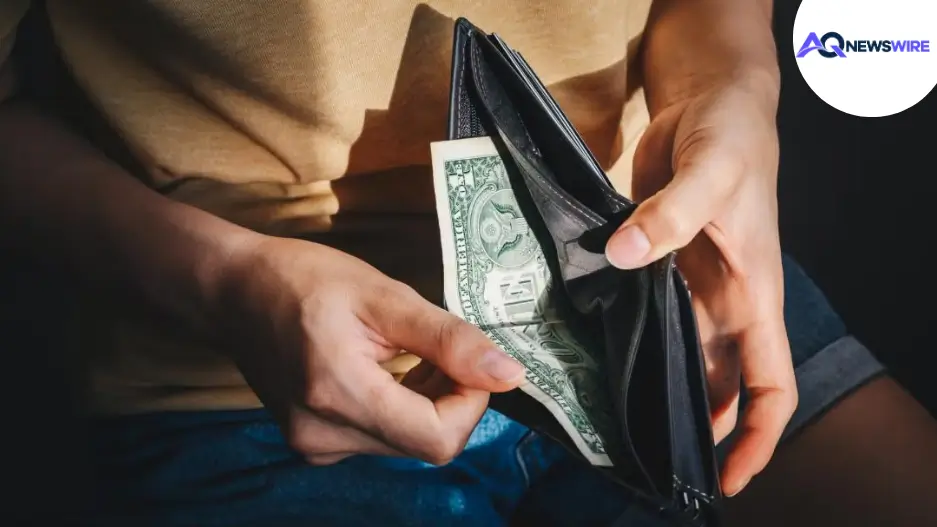
If you feel like your bank account is constantly leaking money no matter how carefully you budget, you’re definitely not alone.
A fresh survey from the New York Federal Reserve shows a sharp, uncomfortable slide in how regular Americans view their financial health. People aren’t just nervous about the broad economy on the evening news; they’re feeling genuinely beaten down by the day-to-day cost of running their lives.
According to the report, about 42% of households say they are visibly worse off today than they were just 12 months ago. Even more concerning, the number of people who expect things to get even bleaker over the next year is climbing fast.
It highlights a stubborn disconnect: government officials keep pointing to steady job numbers and solid economic growth, but for millions sitting at the kitchen table, the simple math of everyday life just isn't adding up.
The Brutal Math of Paychecks vs. Bills
The main culprit isn't a mystery—it’s basic arithmetic. Families simply expect their bills to rise a lot faster than their paychecks.
Respondents told the Fed they expect their household spending to climb by around 5.5% over the coming year. The problem? They only expect their wages to grow by about 2.6%. When your expenses grow at more than double the speed of your income, you don't need an economics degree to see where things are headed.
And this isn't people splurging on Caribbean cruises or high-end electronics. The expected price hikes are hitting the stuff you can't walk away from: groceries, rent, utility bills, gas, and healthcare. Short-term inflation fears jumped right back up to nearly 4%, marking their highest level since the spring of 2023.
"People are finally burning through whatever emergency cash they managed to save," says Marcus Vance, a senior fellow at the Center for Consumer Finance. "For a while, you can bridge the gap with savings or put a few grocery runs on a credit card. But we're hitting the wall where those stopgaps run out. Families are being forced into ugly trade-offs—skipping doctor appointments, putting off car maintenance, or buying the cheapest, lowest-quality groceries just to stay afloat."
For lower- and middle-income families, there’s virtually no fat left to trim. When almost every cent goes directly toward food and shelter, even a small price bump feels like a gut punch.
The Safety Net Is Vanishing
To make matters worse, the financial cushions people normally turn to in an emergency are turning into quicksand.
Getting approved for a personal loan or a new credit card has become significantly harder over the past year. Banks are getting skittish, quietly raising lending standards and denying applications to protect themselves from unpaid balances.
For families already leaning on credit cards to survive the price squeeze, the math is getting scary. With interest rates hovering above 20%, carrying a balance from one month to the next is no longer a small convenience fee—it’s an aggressive wealth-drain.
The Fed's data captured that reality clearly: the perceived risk of falling behind on minimum debt payments over the next three months ticked upward, particularly on auto loans and revolving credit cards. When an unexpected flat tire or an emergency trip to urgent care can't be easily paid off, a temporary setback quickly spirals into a long-term debt trap.
Why This Spells Trouble for Everyone?
So far, the job market has kept the broader economy afloat. Most people still have work, which has prevented an outright collapse in retail activity.
But having a job doesn't mean much if you feel poorer every time you walk out of the grocery store. When consumer confidence drops this low, spending habits change rapidly. People stop eating out, cancel subscriptions, delay home repairs, and put off big purchases.
Because consumer spending accounts for roughly two-thirds of the entire U.S. economy, that kind of defensive posture doesn't stay confined to individual bank accounts for long. It eventually hits local retailers, service workers, and corporate profits.
For policymakers in Washington, the message from Main Street is unmistakable: inflation might look better on a line graph, but until paychecks actually stretch far enough to cover the basics again, most Americans are going to stay firmly on the defensive.



