

Anyone who has ever taken a round of antibiotics knows the routine. The doctor hands you the prescription with a casual warning: take these with food, and don't be surprised if your stomach gets a little upset.
For decades, we accepted nausea, cramping, and digestive chaos as an unavoidable tax for wiping out an infection. Broad-spectrum antibiotics are like carpet bombs—they wipe out millions of friendly, beneficial bacteria right alongside the bad bugs making you sick.
Now, research published in Nature reveals that the food on your plate plays a massive role in just how bad that internal damage gets.
Scientists from NYU Grossman School of Medicine, Memorial Sloan Kettering Cancer Center, and City of Hope discovered that eating sugar-rich foods while on antibiotics actively accelerates microbiome collapse. Worse still, excess sugar acts like high-octane fuel for the few resilient, dangerous pathogens left behind, helping them take over your digestive tract.
What 9,400 Hospital Meals Revealed
To figure out how diet collides with medication, researchers looked at an extraordinarily detailed clinical dataset: 9,419 hospital-prepared meals eaten by 173 blood cancer patients undergoing stem cell transplants.
Stem cell patients are in a uniquely fragile spot. Intensive chemotherapy temporarily wipes out their bone marrow and knocks their immune systems offline, so doctors rely on heavy courses of intravenous antibiotics to prevent life-threatening infections. Because every single hospital meal was weighed, logged, and paired with more than 1,000 serialized stool samples, researchers had a front-row seat to what was happening inside their digestive tracts.
The findings were stark. For every extra 100 grams (about 3.5 ounces) of sweets or sugary snacks patients ate while on antibiotics, their gut microbiome diversity dropped by roughly 24%.
Even more alarming was what moved into the empty space. High-sugar diets triggered massive population spikes of Enterococcus faecium—a notorious, drug-resistant superbug responsible for dangerous, hard-to-treat hospital bloodstream infections.
The 33-Fold Explosion in the Lab
To prove sugar was actually driving the explosion rather than just being an innocent bystander, the researchers tested the theory in mice.
They gave mice a standard broad-spectrum antibiotic called biapenem. On the drugs alone, the animals showed only a slight, gradual uptick in Enterococcus.
Then they added sucrose to the water of another group receiving the same medication:
Within three days: The sugar-fed mice had 16 times more Enterococcus in their guts than the control group.
By day six: The pathogen count exploded to more than 33 times higher.
In a healthy gut, hundreds of competing bacterial species keep opportunistic bugs in check simply by crowding them out and scarfing down available nutrients. But when antibiotics wipe out the competition, unabsorbed sugars pass straight into the colon. The few surviving bad bugs find an open buffet with zero competition, multiplying at breakneck speed.
A Re-Think for Hospital Trays
In the human transplant cohort, the biological fallout had real stakes. Patients who ate above-average amounts of sugar had an estimated 12% higher risk of death following their transplants.
While the researchers stress this was an observational link—not proof that a sugary snack directly killed anyone—it exposes just how vulnerable the gut barrier becomes during severe illness. When bad bugs dominate the intestine, they can breach the damaged gut wall, slip into the bloodstream, and trigger life-threatening sepsis in immune-compromised patients.
Traditionally, hospital nutrition for critically ill patients has prioritized getting calories in by any means necessary to prevent rapid weight loss. That often means loading trays with puddings, fruit juices, and sweetened nutritional shakes. This new data suggests that handing sick patients quick carbs while pumping them full of antibiotics might come with hidden biological costs that outweigh the extra calories.
What You Should Do at Home
Most people aren't recovering from stem cell transplants in an ICU, but the basic biology holds true for anyone picking up a routine prescription for strep throat, an ear infection, or a UTI.
You should never quit an antibiotic early—doing that just breeds resistant bacteria. But you can give your microbiome a fighting chance with a few simple tweaks while you finish your prescription:
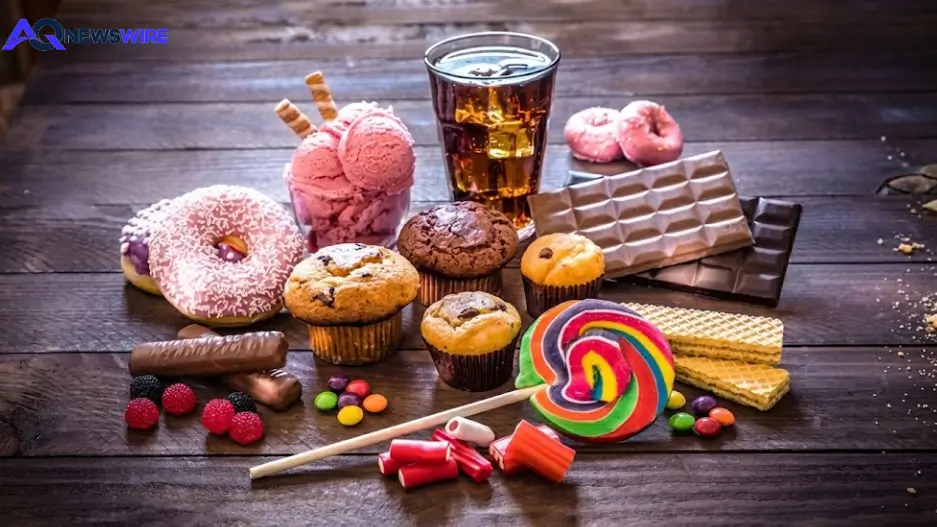
Cut the obvious sugar: Skip sodas, candy, pastries, and fruit juices while you're on the pills. Give your small intestine a chance to absorb what you eat so excess sugar doesn't travel down to feed opportunistic bacteria in your colon.
Focus on real meals: Stick to whole, savory foods that break down slowly
Rebuild after you're done: Once you take your last dose, bring back varied plant fibers and fermented foods like plain yogurt, kefir, and sauerkraut to help your native flora recolonize the neighborhood.
Fighting off an infection isn't just about the pills you swallow. It’s about making sure you don't feed the exact invaders you're trying to clear out.



