

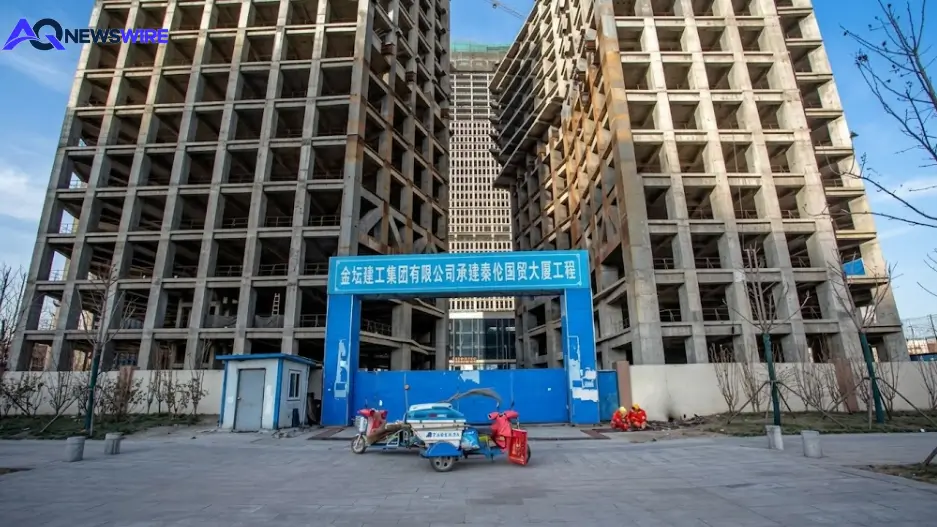
For nearly five years, China’s residential housing market has been the world’s biggest economic migraine.
Ever since Beijing put the squeeze on debt-heavy developers with its "three red lines" rule in late 2020, the sector has been trapped in a punishing downward slide. Mega-developers collapsed under mountain-sized debt piles, buyers launched mortgage strikes on half-finished apartment towers, and local governments watched the land-sale revenues funding their budgets evaporate. The crisis wiped out trillions of dollars in household wealth and left consumer confidence in the world's second-largest economy in the gutter.
Now, after half a decade of painful contraction, S&P Global Ratings says the housing market may finally be edging toward a bottom.
According to S&P's latest assessment, nationwide property sales and home prices are showing their first real signs of leveling off, helped along by an aggressive push of state stimulus, lower mortgage rates, and municipal buybacks of unsold units. While an explosive boom like the 2010s isn't on the table, analysts believe the sector is at last shifting from free fall into fragile stabilization.
What’s Breaking the Fall
The change in tone comes after months of coordinated policy shifts from the People’s Bank of China and housing authorities.
After years of half-measures that did little to soothe jittery buyers, policymakers rolled out a much more aggressive playbook:
Lower Down Payments: Minimum down payments for first-time buyers dropped to rock-bottom baselines, while existing mortgage rates were cut across the board to leave families with more disposable income.
Tearing Down Purchase Curbs: Top-tier hubs like Guangzhou, Shanghai, and Shenzhen dismantled long-standing rules that banned residents from buying second or third homes.
State Buybacks: The central bank set up dedicated lending facilities to help state-owned companies buy unsold apartments straight from struggling builders, repurposing them into affordable public housing.
Those steps are finally translating into actual deals. Real estate agencies in Beijing and Shanghai saw foot traffic climb and existing-home sales jump over 50% year-on-year across 25 major cities during the October holiday week, halting an uninterrupted string of painful monthly drops.
A Divided Market: Megacities vs. Small Towns
Even with a floor in sight, S&P cautions that the turnaround will feel like night and day depending on where you look. China's housing market has split cleanly into two speeds:
Top-Tier Hubs: Heavyweight metropolises like Beijing, Shanghai, Shenzhen, and Hangzhou are leading the charge. These hubs benefit from continuous migration, solid household savings, and strong job markets. Here, lower borrowing rates and relaxed residency rules can quickly tempt buyers back off the sidelines.
Smaller Regional Cities: Lower-tier towns and interior prefectures remain stuck under an enormous pile of unsold homes. Decades of overbuilding left many of these cities with far more concrete towers than local populations can realistically fill. In these areas, working through excess inventory could easily take years, leaving local builders in a persistent cash crunch.
Because of this divide, the recovery won't save everyone. Well-run state-backed developers sitting on prime plots in major cities are seeing their cash flow stabilize, while smaller private builders stuck in regional markets are still shut out of bank credit.
The New Reality for Chinese Property
Even as sales find their footing, nobody expects real estate to reclaim its old throne as the primary driver of Chinese growth.
During its peak, property and the industries feeding it made up nearly 30% of China’s entire economic output. Today, Beijing is determined to channel capital away from speculative apartment towers and into high-tech manufacturing, clean energy, and chipmaking.
The goal of the latest rescue push isn't to re-inflate a bubble; it's to build a sturdy floor underneath it. By keeping home values from plunging further, officials hope to steady family balance sheets, restore consumer confidence, and keep municipal debts from spilling over into the banking sector.
Fixing an $18 trillion housing machine won't happen overnight. But after five long years of headlines about defaults and ghost developments, the bleeding is finally starting to slow. If current sales momentum holds through the winter, China's property market may have put its worst days behind it.
For an in-depth breakdown of the credit conditions and structural risks still shaping the market, watch this discussion on S&P Global's outlook for China's real estate.
This segment provides useful background on the rating agency's credit assessments, debt realities, and expectations for developer solvency as the property sector seeks a floor.



