

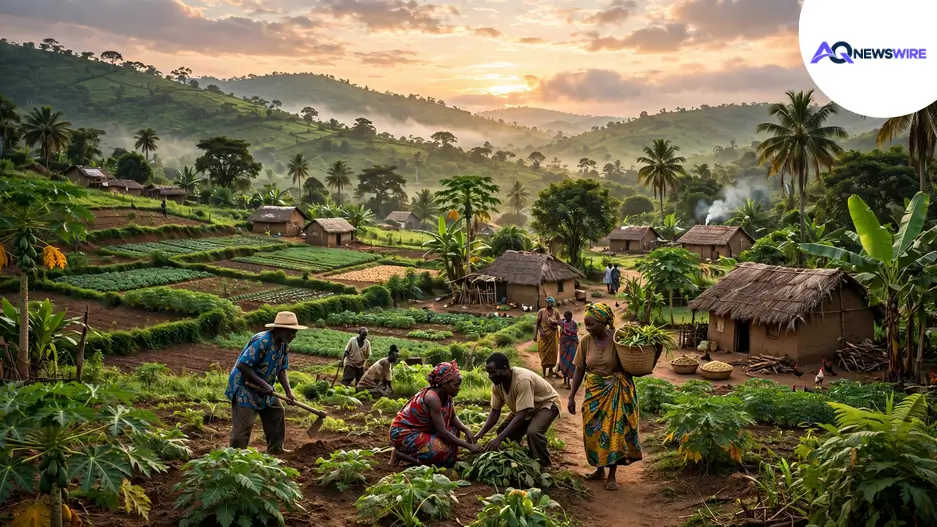
When you start digging into the diverse regional tapestries of Central Africa, certain places really capture the essence of rural community life and geographical resilience. Messonde is a great example of this. Tucked away in the heart of Cameroon's rich landscapes, Messonde and its surrounding areas blend traditional agricultural roots, lush equatorial ecosystems, and close-knit community bonds.
Whether you are a researcher looking into regional subdivisions, a geography enthusiast mapping Central African terrain, or just someone curious about rural development, taking a closer look at Messonde gives you a genuine window into everyday life in the region.
Geographical Location and Administrative Landscape
To really get a feel for Messonde, it helps to understand where it sits within Cameroon. It is located right in the middle of the country within the Centre Region, sharing that classic Central African mix of forested hills and rolling plateau zones.
The Regional Setting: The Centre Region covers a massive area of green hills and transitional savanna, built on ancient rock formations and deep, nutrient-rich soils.
Terrain and Environment: The landscape is defined by rolling green hills, dense vegetation, and a web of small streams and river tributaries that feed into the broader regional watersheds.
The Climate: The area runs on a classic equatorial cycle, featuring distinct rainy and dry seasons that dictate everything from farming schedules to daily travel and local ecology.
Economy, Agriculture, and Livelihoods
Like many rural communities across the region, the heartbeat of life in and around Messonde comes straight from the soil. Agriculture is the main economic engine, keeping local families fed and supplying the domestic market.
1. The Farming Backbone
Small-scale farming is the core of daily existence. Families grow hardy, nutritious crops that thrive in the local tropical climate, including:
Cassava and Yams: Essential carbs that form the base of local meals and food security.
Plantains and Bananas: These thrive in the natural moisture of the equatorial zones.
Local Cash Crops: Smallholder farms also produce goods that feed into regional trade networks, connecting rural growers with buyers in nearby urban markets.
2. Local Commerce and Markets
Economic life goes way beyond just growing your own food. Periodic local markets act as vital social and commercial hubs where neighbors trade goods, pick up household necessities, and catch up on news, creating a lively local economy built on mutual trust.
Culture, Community, and Social Fabric
The social fabric of Messonde is deeply tied to ancestral traditions, mutual support, and the unique cultural heritage of Cameroon's Centre Region.
Community Ties and Leadership: Local communities maintain a strong respect for traditional leadership, village elders, and customary systems that help resolve issues and organize community efforts.
Languages Spoken: While French serves as the official language for administrative and public matters, local Bantu languages and regional dialects dominate daily conversation, preserving unique oral histories and traditions.
Working Together: Shared labor practices—like communal farming groups and neighborhood building projects—showcase a deep-seated spirit of cooperation that has helped generations navigate changing times.
Infrastructure, Accessibility, and Development
Rural development in areas like Messonde focuses heavily on improving connectivity, infrastructure, and public services to bridge the gap between isolated settlements and major towns.
Getting Around: Traveling on rural roads often depends heavily on the weather, making infrastructure upgrades a top priority for improving access to healthcare, schools, and trade routes.
Education and Public Services: Local schools and grassroots programs play a huge role in empowering the younger generation, offering solid foundational learning while keeping regional heritage alive.
Looking Ahead: As digital tools and modern infrastructure slowly make their way into rural areas, communities like Messonde continue to adapt, balancing traditional ways of life with new opportunities for sustainable growth.
Frequently Asked Questions (FAQ)
What is Messonde?
Messonde is a geographical and local community area located within the Centre Region of Cameroon.
Where is Messonde geographically situated?
It sits in the central plateau zone of Cameroon, an area known for its tropical greenery, rolling hills, and equatorial climate.
What is the primary economic activity in Messonde?
The local economy relies heavily on smallholder farming, with a focus on staple food crops like cassava, yams, and plantains.
What kind of climate does the area have?
The region experiences a tropical equatorial climate with alternating rainy and dry seasons that shape local farming cycles.
What languages do people speak there?
While French is used for official business, local Bantu languages and regional dialects are widely spoken in everyday community life.
How do local communities handle governance?
Local leadership often blends modern administrative rules with traditional structures, including village elders and customary authorities.
What role do local markets play?
Weekly and periodic markets serve as essential gathering spots for trade, socializing, and distributing farm goods to nearby areas.
What are the main challenges for rural regions like Messonde?
Key hurdles include upgrading road infrastructure, expanding reliable healthcare access, and improving educational resources.
How do farmers deal with local soil conditions?
While heavy rainfall can leach nutrients from the soil, generations of farmers have adapted their techniques to successfully grow hardy tropical crops.
Why are places like Messonde important to study?
Looking at these areas gives us a clearer picture of rural development, cultural preservation, and the grassroots dynamics that shape Central African societies.



