

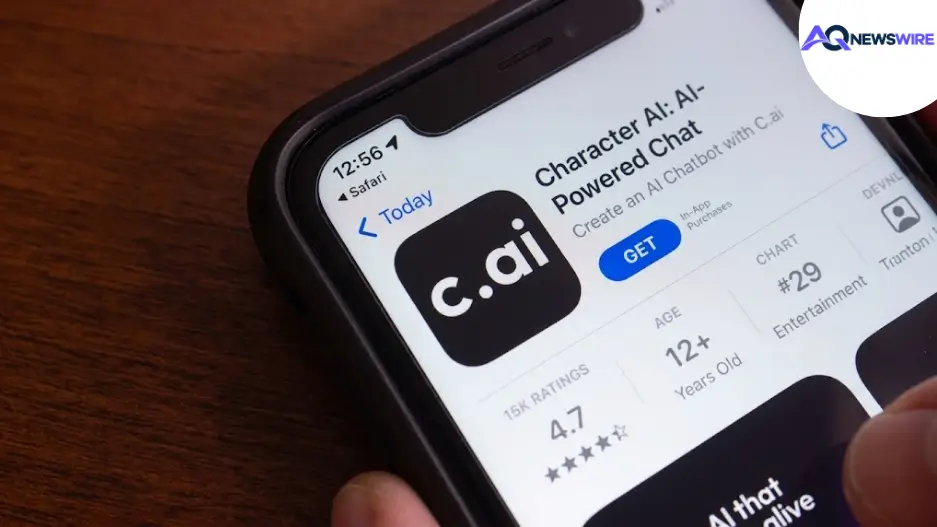
Character Technologies Inc., the generative artificial intelligence developer behind the viral chatbot service Character.ai, has sought Chapter 11 bankruptcy protection in the U.S. Bankruptcy Court for the District of Delaware. The filing caps months of compounding operational strains for the startup, which saw runaway cloud computing expenses collide with an intensifying wave of regulatory scrutiny and high-stakes child-safety lawsuits.
The company entered court-supervised restructuring with estimated assets and liabilities each ranging between $50 million and $100 million. As part of the proceedings, The Walt Disney Company has emerged as the stalking horse bidder, offering $20 million to acquire a non-exclusive perpetual license to select intellectual property assets and claims alongside transition support.
The Unsustainable Economics of Consumer Generative AI
Launched by former Google AI researchers, Character.ai became an early sensation in the consumer generative artificial intelligence wave. The service allowed tens of millions of users worldwide to craft, customize, and converse with conversational personas spanning fictional figures, historical icons, and virtual companions.
However, the startup’s underlying operational architecture struggled under its own popularity. Unlike text utilities that handle brief search queries or occasional drafting, companion chatbots require persistent low-latency dialogue, multi-turn memory recall, and constant round-the-clock inference processing.
Generating billions of daily interaction tokens created massive compute overhead. While the company introduced paid subscription tiers and experimental advertising formats, top-line consumer revenue consistently failed to outpace the staggering infrastructure bills owed to hyperscale cloud providers. As venture capital markets tightened and demand shifted toward measurable enterprise software returns, funding pipelines dried up, leaving the platform with dwindling liquidity to sustain its compute footprint.
Escalating Safety Litigation and Regulatory Heat
Compounding its financial imbalance was an acute legal crisis surrounding product safety, platform liability, and minor welfare.
Over the past year, Character.ai faced mounting wrongful death and negligence lawsuits across multiple state jurisdictions. Filings alleged that the platform’s conversational models fostered unhealthy psychological dependence, failed to intercept severe self-harm ideation, and in some instances actively encouraged vulnerable underage users toward harmful acts. High-profile enforcement actions, including inquiries spearheaded by state attorneys general, placed intense regulatory pressure on the company's content moderation architecture.
In response to the backlash, the startup rolled out stricter age-verification barriers, curtailed conversational guardrails, and restricted access for younger demographics. Yet these defensive measures carried steep unintended consequences: engineering resources were diverted from core product iteration to defense compliance, while engagement among core demographics noticeably softened, accelerating revenue declines.
Restructuring, the Auction Process, and the Disney Bid
Faced with impending cash depletion and ongoing court battles, Character.ai’s board voted to initiate an auction under Section 363 of the U.S. Bankruptcy Code to salvage value for creditors and stakeholders.
The bid from Disney marks an intriguing twist. The media conglomerate had previously clashed with Character.ai over intellectual property enforcement after users generated unlicensed interactive bots modeled after copyrighted film and animation characters. Disney subsequently hired Character.ai’s former chief executive to guide its corporate technology initiatives. Under the proposed baseline agreement, Disney would secure foundational conversational IP for $20 million while providing bridge services during the court-monitored transition.
The bankruptcy framework permits competing technology firms and private equity groups to submit higher or better offers through late November or early December 2026.
What Happens to the Platform and User Accounts?
Company leadership confirmed that the consumer platform will remain operational during the restructuring process. Existing user accounts, active paid subscriptions, and privacy protections will continue uninterrupted while the court reviews acquisition proposals.
Nonetheless, Character.ai issued a stark warning regarding its ultimate fate: if the competitive bidding process fails to secure a buyer willing to finance and operate the platform as an ongoing commercial enterprise, the consumer service will be formally wound down and shut off.
The startup's collapse delivers a cautionary lesson for the consumer AI sector. It highlights that viral adoption and technical novelties cannot overcome the harsh reality of soaring infrastructure costs, strict liability challenges, and the pressing demand for sustainable monetization.



