

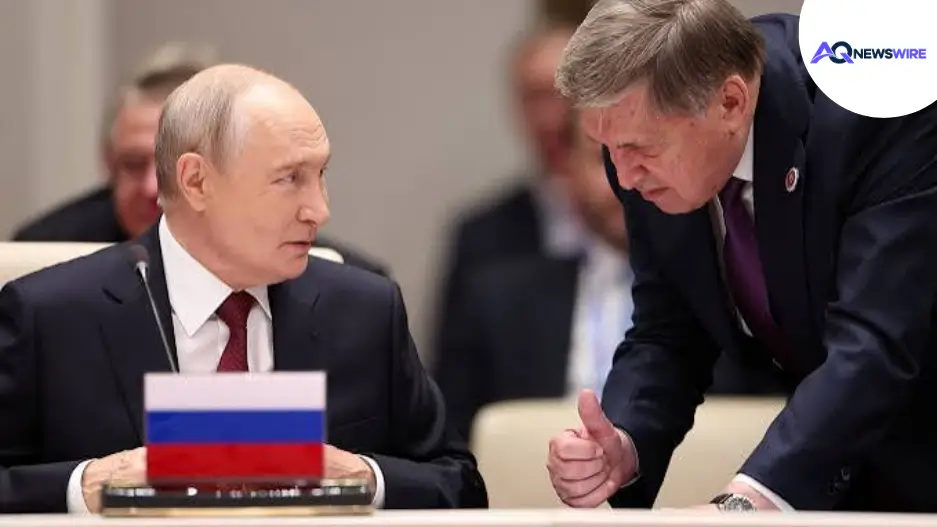
Geopolitical maneuvering surrounding the protracted conflict in Ukraine has entered a striking new phase. According to diplomatic sources, Russian leadership has floated a high-stakes proposal for a closed, three-way summit involving U.S. President Donald Trump, Chinese President Xi Jinping, and Russian President Vladimir Putin.
The catch? Ukrainian President Volodymyr Zelenskyy would be entirely excluded from the table.This strategic push aims to leverage shifting international dynamics and map out a prospective framework for ending hostilities, bypassing Kyiv entirely. As Washington evaluates its next diplomatic moves, international allies are watching closely, acutely aware of the massive implications such a format would carry for global security.
Inside the Proposed Trilateral Format
The contours of the proposed meeting began circulating following high-level diplomatic contacts. Reports indicate that the idea was initially raised during a phone conversation between Moscow and Washington.
The Kremlin has reportedly targeted the upcoming Asia-Pacific Economic Cooperation (APEC) gathering—scheduled to take place in Shenzhen, China—as an ideal backdrop for the trilateral talks.
The Core Participants: Bringing together the leaders of the world's primary superpowers to negotiate terms directly.
The Beijing Factor: Russian diplomats have sounded out Chinese officials, who have signaled a willingness to accommodate the summit provided Washington formally signs on.
The Exclusion Strategy: By framing the discussions around great-power diplomacy, Moscow aims to negotiate terms favorable to its strategic interests without direct pushback from Kyiv's administration.
Why Washington and Beijing Hold the Cards
For the Kremlin, inviting Beijing into a direct settlement track with the United States serves a dual purpose. China has provided essential economic and diplomatic backing to Moscow throughout the course of the war. Elevating Beijing to a formal co-architect of a peace settlement aligns with Russia's broader push to institutionalize a multipolar world order that sidelines traditional European mediation.
Meanwhile, the White House faces a delicate balancing act. President Trump has repeatedly expressed an urgent desire to halt the bloodshed and bring the conflict to a rapid close. However, committing to a summit that explicitly leaves out the sovereign nation under attack risks severe diplomatic fallout.
The Risk of Overreach: European capitals and Kyiv have warned against any "over-the-head" agreements that dictate territorial or political concessions without Ukrainian consent.
The Pressure of Sanctions and Energy Talks: The diplomatic initiative runs parallel to tense negotiations involving international energy corridors, recent pauses on heavy sanctions, and ongoing debates over military intelligence sharing.
Kyiv's Response and European Anxiety
Unsurprisingly, the prospect of a superpower-exclusive summit has triggered alarm bells across European capitals and deep frustration in Kyiv. Ukrainian officials have consistently maintained that no lasting security architecture can be built for Europe without the active participation of the nation defending its borders.
Critics argue that a trilateral arrangement mirroring historic spheres-of-influence negotiations would undermine international law and set a dangerous precedent. Furthermore, ongoing friction on the ground—such as persistent attacks on energy infrastructure despite tentative localized cease-fire frameworks—highlights the fragility of trying to broker peace from the top down without addressing frontline realities.
The Path Forward: Diplomacy or Division?
As the international community awaits a formal response from Washington regarding the APEC-adjacent venue, the proposal underscores just how fluid modern geopolitics has become. Whether the U.S. administration embraces the trilateral summit as a pragmatic shortcut to peace or rejects it as an exclusionary trap will shape the trajectory of global diplomacy for years to come.
For now, the whisper of backchannel great-power summits proves that while the war on the ground remains gridlocked, the global diplomatic chess match is accelerating faster than ever.