

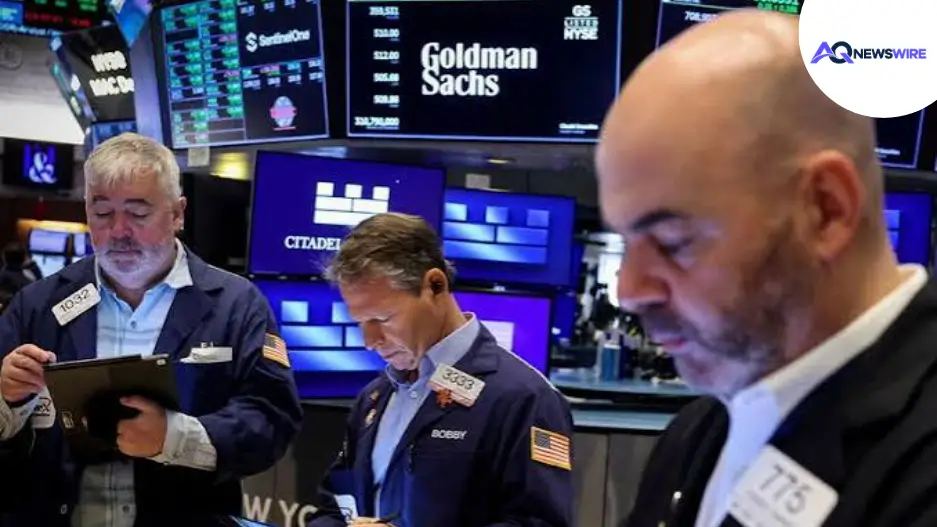
The traditional 9-to-5 wall enclosing financial markets is officially crumbling. Following a massive surge in retail demand and growing pressure from global investors wanting to react instantly to overnight headlines, major American stock exchanges are expanding their operational clocks. Leading the charge, the New York Stock Exchange (NYSE) has officially introduced extended trading hours for options on its platforms, setting off a chain reaction across Wall Street.
This structural shift marks one of the most significant evolutions in modern market architecture, altering how traders hedge, speculate, and manage risk.
Breaking Down the New Schedule
For decades, equity options trading was strictly restricted to regular core market hours—typically ending at 4:00 PM ET, long after corporate earnings drops and macroeconomic data releases hit the wires. Under the newly rolled-out framework, select options now feature designated pre-market and post-market sessions.
The Early Bird Session: A morning window operating from 7:30 AM to 9:25 AM ET allows participants to position themselves ahead of the opening bell.
The Late-Day Extension: A post-market session running from 4:00 PM to 4:15 PM ET captures late-breaking corporate announcements.
The Target Toward 23-Hour Access: Exchanges are already laying the logistical groundwork to widen accessibility even further for major large-cap equities and ETFs.
What Assets Are Leading the Charge?
The initial wave of extended-hours options trading isn't open to every obscure ticker on the exchange. Instead, liquidity providers and exchanges have strategically targeted high-volume, heavily traded symbols where global demand is highest.
Initial availability centers heavily on macroeconomic-focused exchange-traded funds—such as SPY, IWM, and GLD—alongside trillion-dollar mega-cap technology stalwarts like Apple, Microsoft, NVIDIA, Amazon, Alphabet, and Oracle. Because these assets frequently react to global news cycles outside of standard New York hours, offering extended options gives institutional and retail traders a vital tool for managing sudden portfolio volatility.
Why the Sudden Appetite for Around-the-Clock Trading?
The shift toward extended trading is fueled by a combination of technological capability and changing investor habits:
Global Macro News Cycles: Major geopolitical developments, international economic data, and overseas central bank decisions rarely respect U.S. market hours. Traders want the ability to hedge overnight risk immediately rather than waiting anxiously for the morning bell.
The Rise of the 24/7 Retail Investor: Modern market participants—accustomed to the round-the-clock nature of cryptocurrency markets—increasingly expect traditional financial assets to offer the same level of flexibility and access.
Advanced Risk Management: For options traders, holding a naked position or an unprotected portfolio overnight used to mean crossing your fingers. Extended hours provide a window to adjust delta, buy protective puts, or trim exposure when unexpected headlines break.
The Risks and Operational Realities
While the expansion offers clear advantages, financial experts urge caution. Trading outside of core hours comes with inherent structural trade-offs:
Thinner Liquidity: Fewer active market makers can lead to wider bid-ask spreads compared to the regular trading day.
Strict Order Constraints: Most exchanges limit extended-session execution strictly to limit orders, prohibiting market orders or stop orders to protect investors from sudden flash-pricing anomalies.
Looking Ahead: The Future of Continuous Markets
The decision by the NYSE and competing venues to stretch trading hours signals that the financial industry's center of gravity is moving permanently toward continuous access. As clearinghouses, data providers, and regulatory frameworks adapt to a 23-hour trading ecosystem, Wall Street is proving that modernization is no longer optional—it is the baseline for the future of capital markets.